Evermore
Play Evermore
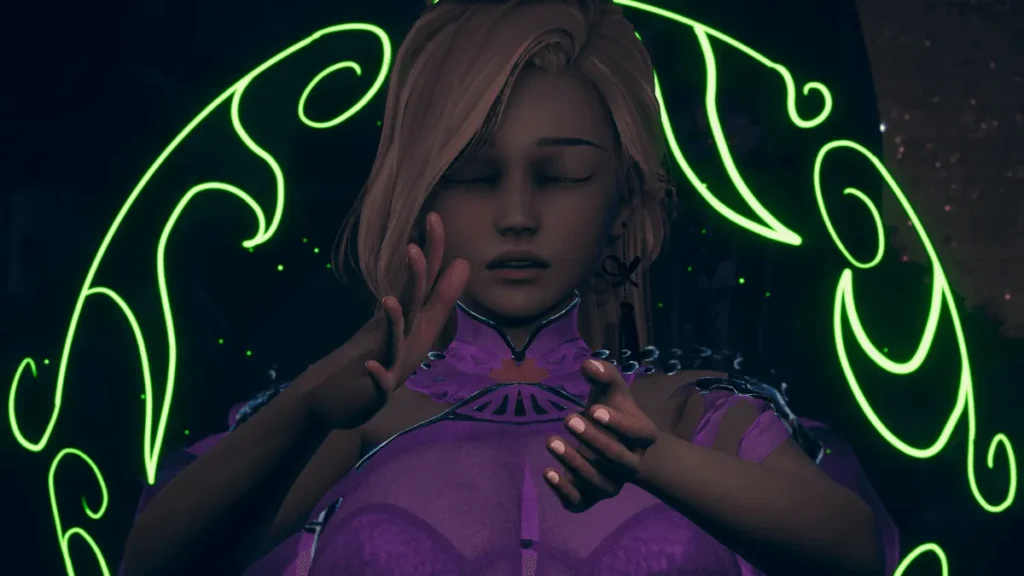
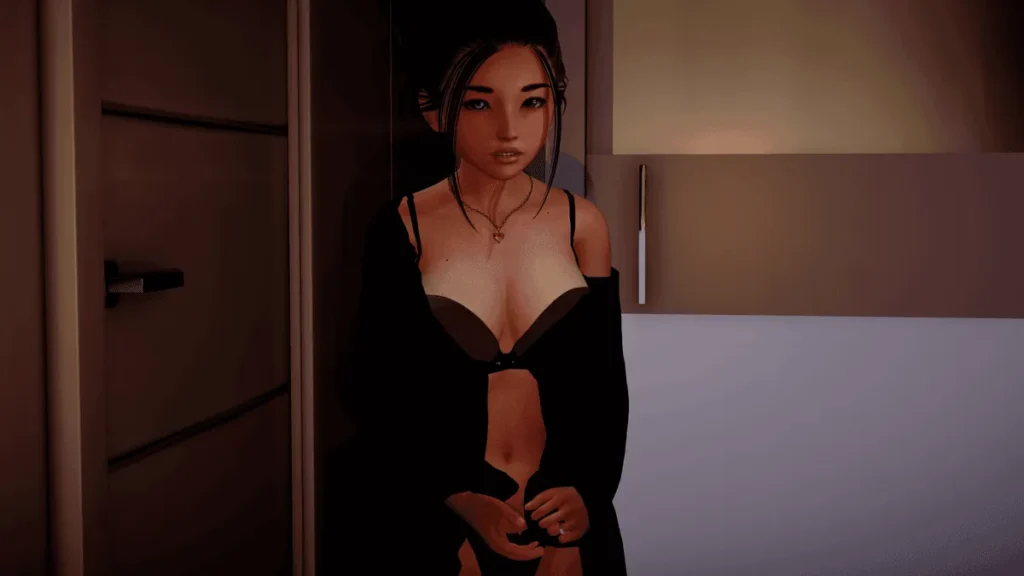
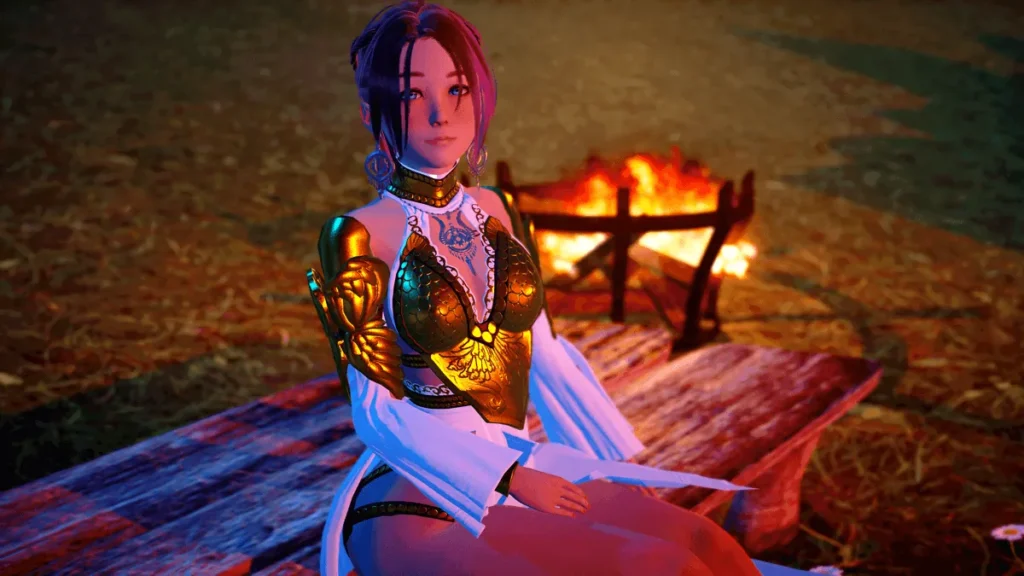
Evermore Screenshots










Evermore review
A personal, practical look at Evermore’s gameplay, narrative and decision paths
Evermore is a narrative-driven game that blends story, character interaction and branching choices in a way that pulls you in quickly. When I first tried Evermore, I was mostly curious about the buzz around its world and characters, but I stayed because of how attached I became to the cast and the outcomes of my decisions. In this guide, I’ll walk you through how Evermore plays, what makes its story structure unique, and some practical insights I wish I had before starting. Think of this as a friendly, honest tour of Evermore from someone who has already made plenty of mistakes so you don’t have to.
How Evermore Works: Core Gameplay, Story Flow and First Impressions
So, you’ve heard about this Evermore game and you’re wondering what you’re actually signing up for? Let me put it plainly: if you’re looking for a game where you’ll be mashing buttons in epic combat, this isn’t it. 🎮 If you’re here for a rich, branching narrative where your decisions truly matter, where getting to know characters is the main quest, and where uncovering a mystery feels personal… then welcome. You’re in the right place. This Evermore gameplay is all about the story.
Think of it as the best kind of interactive novel. Your primary tools are your attention, your empathy, and your curiosity. The joy of Evermore comes from seeing how the narrative tapestry shifts and changes based on the threads you choose to pull. It’s a deeply personal experience, and this guide is my attempt to give you a friendly, practical map for your journey.
What is Evermore and how does its story structure work? 🤔
At its heart, Evermore is a narrative-driven experience built on a foundation of choices, character relationships, and branching Evermore routes. The core loop is deceptively simple, but it’s woven into a structure that slowly pulls you into its world.
The Evermore story is typically divided into chapters or acts. You might start in a relatively contained setting—a strange academy, a secluded town, a mysterious estate—and as you progress, the world expands. Layer by layer, the broader lore and the central enigma of Evermore are revealed. One moment you’re sharing a lighthearted lunch with a potential ally, and the next, you’re uncovering a clue that casts everything in a darker, more urgent light. This tonal range is a huge part of the game’s charm; it makes the world feel real and lived-in.
A typical play session feels like this:
* Read compelling dialogue and descriptive narration.
* Choose your response from a set of options, which can range from polite to prickly, curious to cautious.
* Unlock new scenes, character moments, and entries in your in-game logs or galleries based on those choices.
* Repeat, watching as your unique story unfolds.
It’s a cycle of engagement that’s incredibly moreish. You’ll find yourself constantly checking the “History” log to re-read a cryptic line of dialogue, or scrolling through the gallery to see which beautiful scenes you’ve unlocked (and which ones are still tantalizingly greyed out). The game rewards close reading. A throwaway comment in Chapter 2 might be the key to understanding a character’s motive in Chapter 6. That tiny detail you noticed in the background art? It might foreshadow a major plot twist.
The flow is designed for immersion. You’ll spend most of your time in the main story, but the menus are your home base—a place to save (always save manually before big decisions! 🔑), review your relationships, and piece together clues.
How do choices and routes shape your Evermore playthrough? 🌳
This is where the magic—and the complexity—of the Evermore game truly lives. The game doesn’t have a single, linear plot. Instead, it uses a sophisticated branch-based system where your decisions act as signposts, directing you down different narrative paths.
Think of the story as a tree. Early on, the trunk is the same for everyone. But soon, you’ll reach a major branch point. A critical choice—who to trust in a moment of crisis, where to investigate first, which character to align with—can fundamentally steer the narrative. These choices can:
- Lock you into a specific character route, focusing the story on your relationship with them and their personal arc.
- Enable or block access to certain scenes later on, changing the context of major events.
- Nudge your affinity with characters in subtle or dramatic ways, affecting their dialogue and willingness to help you.
This means your first playthrough is yours. It’s a unique product of your instincts. To navigate this, here’s my practical Evermore choices guide:
- Embrace the Save Slot: Your most powerful tool isn’t in the game menu; it’s your discipline to create manual saves. Before any choice that feels weighty or momentous, hit save and label it clearly (e.g., “Before the Library Decision”). It lets you explore consequences without regret.
- Read Everything: Don’t skim. The tone of the dialogue options is crucial. Is an option sarcastic, sincere, or aggressive? The game often tells you what you need to know between the lines.
- The “Blind” vs. “Guided” Dilemma: You need to decide your approach early on. Playing “blind”—making choices purely based on your feelings—is a wonderfully authentic, if sometimes chaotic, experience. Alternatively, many players follow a suggested route order from the community to maximize story coherence and avoid missing locked content. There’s no wrong answer, just different types of fun.
To visualize how a single choice can ripple out, consider this simplified example:
| Your Major Choice (End of Act 1) | Immediate Consequence | Potential Long-Term Effect on Story |
|---|---|---|
| Side with Character A during the dispute. | Character B’s trust is visibly shaken. | Unlocks Route A. A key piece of evidence in Act 3 is given to you freely. |
| Side with Character B. | Character A becomes cold and distant. | Unlocks Route B. You must find the Act 3 evidence through a difficult side investigation. |
| Refuse to side with anyone. | Both characters are frustrated with you. | Remains on a neutral path for now, but may lock you out of the most intimate scenes with both characters later. |
My first hours in Evermore: what new players should expect 🌅
Let me be honest about my start with Evermore. I went in completely blind, armed only with the trailer’s vibe. I was immediately drawn to a character—let’s call him Leo—who was all sharp wit and hidden vulnerability. My how to start Evermore strategy was simple: be nice to Leo, and follow my gut everywhere else.
For the first few chapters, it was smooth sailing. I was engrossed in the world-building, enjoying the banter, and feeling clever for picking up on small clues. Then, I hit a major decision. The game presented me with three options during a tense confrontation. One seemed aggressively loyal to Leo, one was a balanced compromise, and one was a defiantly independent route. My gut, still in “be nice to Leo” mode, screamed at me to pick the loyal option.
I did. And without spoiling anything, let’s just say the game responded with narrative consequences that felt like a punch to the gut. 😲 A character I liked was hurt, not physically, but emotionally, and it was directly because of my choice. I had been so focused on one relationship that I failed to see the bigger emotional picture the game was setting up. I’d accidentally triggered a story branch that was far more dramatic and painful than I was ready for.
It was my first big Evermore gameplay lesson: this game takes your choices seriously. It doesn’t just reward “correct” picks; it follows through on the logical, often emotional, outcomes. I reloaded that precious manual save (see, I told you!) and tried the compromise option. The story flowed in a completely different, more nuanced direction.
What I learned—and what I want you to know—is that it’s okay to feel overwhelmed at first. The branching paths can seem intimidating. You might fear “missing out.” My advice? Allow yourself a learning run. Your first playthrough doesn’t have to be perfect. Let it be messy, emotional, and uniquely yours. You can always replay. In fact, replaying is where Evermore shines, as you see how different choices recontextualize the entire narrative.
So, is Evermore worth playing? From my personal, practical look, absolutely. If you want a game that respects your intelligence, offers deep emotional payoff, and provides a story you can truly shape, then the answer is a resounding yes. The initial hours are about finding your feet, making mistakes, and getting invested in the fate of its world. It’s an experience that stays with you long after you close the game.
Tip: Don’t try to see everything on your first go. Pick a character or a moral stance that resonates with you, and follow it to its natural conclusion. The other Evermore routes will be there, waiting like new books on a shelf, for your next visit.
A Quick Evermore FAQ Before We Go Deeper
-
How long is a first Evermore run? 🕐
It varies heavily based on your reading speed and how much you explore dialogue options, but plan for roughly 10-15 hours for a single character route. Completing all major branches can easily take 50+ hours. -
Can you change choices later?
Not within a single playthrough without loading a prior save. The game is designed around the permanence of choice to give weight to your decisions. This is why manual saves are your best friend! -
Should I use a walkthrough for my first time?
I recommend against it for at least the first few chapters. The magic of Evermore is in the discovery and the personal consequences. After you’ve completed one route, guides can be invaluable for unlocking specific scenes or endings. -
Is there a “true” ending?
The community often debates this! The game suggests that different routes reveal different facets of the overarching truth. Some endings provide more closure or reveal deeper lore than others, but which one feels most “true” can be a personal judgment.
Evermore rewards players who enjoy sinking into character-driven stories, paying attention to subtle details, and living with the consequences of their decisions. Once you understand how its routes, choices and structure work, the game opens up into a surprisingly rich experience where each playthrough can feel personal. If you are on the fence, start with a relaxed first run, accept that you may not see everything, and let yourself respond naturally to the characters. From there, you can always return for more routes, different outcomes and a deeper appreciation of Evermore’s world and the emotional weight behind its branching paths.