Only a Dream
Play Only a Dream
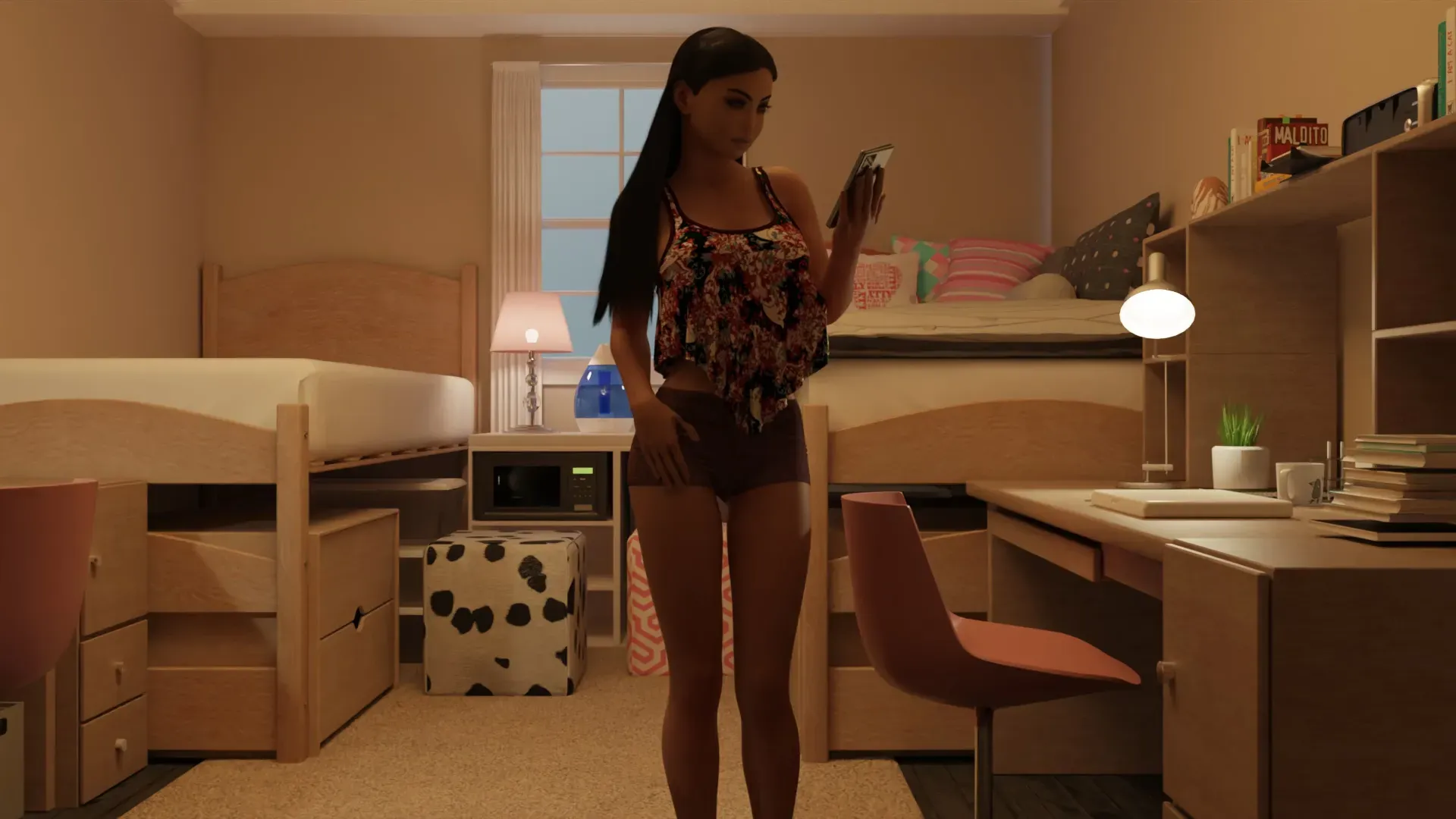
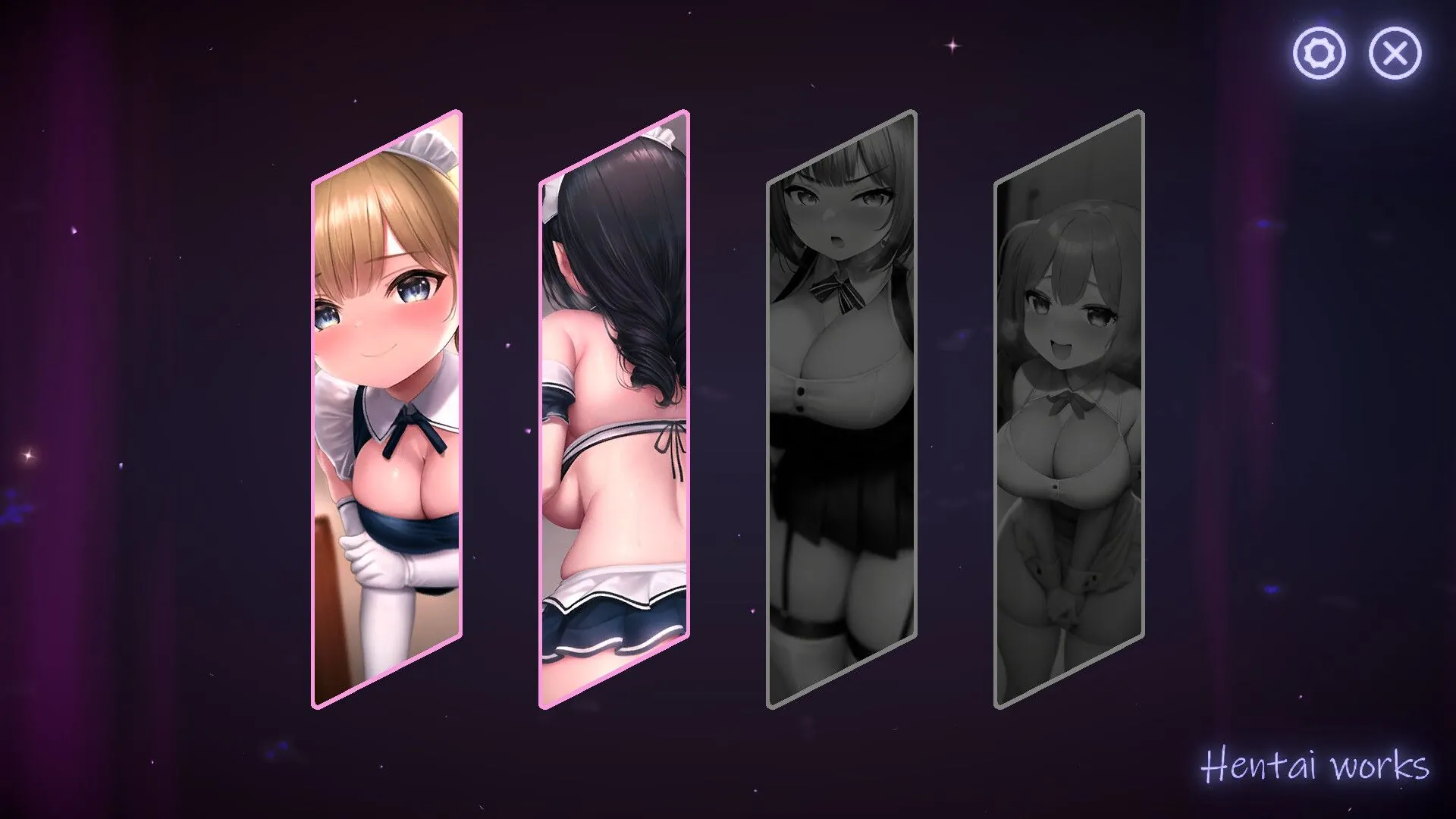
Only a Dream Screenshots















Only a Dream review
Honest impressions, practical tips, and a story-focused look at Only a Dream
Only a Dream is a narrative-driven adult game that blends surreal dreamscapes, relationship-building, and interactive choices into a single experience. If you’ve just discovered Only a Dream or you’re wondering whether it deserves a spot in your backlog, this guide walks you through what makes it stand out, where it struggles, and how to enjoy it without wasting hours figuring things out alone. I’ll share my own playthrough impressions, some practical tips I wish I’d known earlier, and a grounded overview of the game’s systems so you can decide if Only a Dream really matches what you’re looking for.
What Is Only a Dream and Who Is It For?
So, you’ve heard the name whispered in forums or seen a few intriguing screenshots, and now you’re wondering: what is Only a Dream, really? 🤔 If you’re picturing a standard point-and-click adventure or a high-octane RPG, you might need to adjust your expectations. At its heart, the Only a Dream game is a narrative journey—an adult visual novel that trades swords and spells for subconscious desires and delicate emotional choices. This chapter is your friendly map to understanding its unique landscape. We’ll pull back the curtain on the dreamy setting, break down exactly how you play it, and, most importantly, figure out if this is the kind of experience you’ve been looking for. Let’s dive in.
Setting and Story Overview of Only a Dream
Imagine if your most vivid, surreal, and sometimes intimate dreams were given a narrative structure. That’s the essential vibe of the Only a Dream story. You step into the shoes of a central character whose waking life is just the tip of the iceberg; the real drama unfolds in a shifting, fluid dreamscape. 🌌 The game isn’t about epic battles for kingdoms, but internal battles of desire, memory, and connection.
The premise builds around this dreamlike logic. One moment you might be in a familiar, cozy apartment, and the next, the walls melt away into a surreal forest or a memory from years past. This isn’t random. The game is brilliant at using these dreamlike scenarios to explore themes of fantasy versus reality. What feels like a simple, pleasurable fantasy in one dream often carries emotional echoes that twist and reshape future scenes. Your choices—sometimes subtle, sometimes direct—don’t just change an immediate outcome; they gently alter the fabric of the dreams that follow, influencing relationships and revealing hidden layers of the characters you meet.
A key element that provides stability amidst the chaos is the use of a familiar hub. Your story often returns to a specific, recurring place or state—maybe a particular bedroom, a quiet cafe in your mind, or even a recurring dream symbol. This creates a powerful sense of continuity. No matter how wild or branching the Only a Dream story gets, you have this touchstone to return to, making the surreal feel personal and grounded. It’s a narrative structure that masterfully balances freedom and cohesion, ensuring you never feel completely lost, even when the plot is at its most ambiguous and intriguing.
Core Gameplay Loop and Progression in Only a Dream
If you’re new to the genre, you might wonder, “But what do you actually do?” The Only a Dream gameplay is primarily about immersion and choice. A typical session involves reading beautifully written dialogue and descriptive text, making decisions at key junctures, and watching the consequences unfold in the narrative. 🕯️ Think of it less like playing a traditional “game” and more like collaboratively writing a story where you guide the emotional direction.
The core loop is elegant in its simplicity:
1. Read and absorb the scene and dialogue.
2. Make a choice when prompted. These can range from obvious romantic overtures to subtle shifts in attitude or memory recall.
3. Unlock new scenes based on your choice, progressing the story down a particular branch.
4. Use the scene selection or history menu to revisit pivotal moments and try different paths, unlocking alternative dialogues and outcomes.
This is firmly in the realm of visual novel mechanics. Don’t expect inventory puzzles or skill trees. The interaction is almost entirely choice-based, which makes every decision feel weighty and personal. Your progression is automatically saved, and the game’s dream framework is its genius excuse for replayability. Want to see what happens if you were more reserved or more daring in a key encounter? The story can “reset” to a branching point in a way that feels organic—it’s just another version of the dream, another possibility in the protagonist’s subconscious.
My First Hour Tip: I’ll be honest, my initial 60 minutes with Only a Dream were a mix of curiosity and slight disorientation. The pacing is deliberate, inviting you to soak in the atmosphere. The UI was clean and unobtrusive, which helped. But the “click” moment 💡 came when I revisited my first major choice. Seeing how a different response led to a completely different tone of conversation—a shared joke instead of a moment of tension—revealed the game’s true depth. It wasn’t about “winning,” but about exploring the spectrum of a relationship. That’s when I got it.
To give you a clearer picture of how your choices steer the experience, here’s a breakdown of a common progression path:
| Play Session Focus | Typical Player Actions | What Unlocks or Changes |
|---|---|---|
| Initial Path Playthrough | Making instinctive choices, following one character’s arc, exploring a specific desire or memory. | The primary narrative branch for that path, key intimate scenes, deeper background on chosen character. |
| First Replay / Branch Exploration | Using the scene menu to return to a major decision point, choosing the alternative option. | New dialogue, different character reactions, alternative intimate scenes, and pieces of a “hidden” backstory. |
| Completionist Run | Systematically ensuring all choice combinations are seen, often with a guide, to unlock every story fragment. | The full picture of the narrative, all possible endings, and an understanding of how every dream thread connects. |
Who Will Actually Enjoy Only a Dream?
Let’s cut to the chase. The Only a Dream game overview makes it clear this isn’t for everyone, and that’s perfectly okay. Knowing who it’s for will save you time and set the right expectations. So, who is Only a Dream for in practice? 🎯
This game is a perfect match for players who:
* Prioritize story and character above all else. If you love dissecting motivations and savoring well-written dialogue, you’re in the right place.
* Appreciate mood and atmosphere. The dreamy visuals and careful sound design are characters in themselves.
* Enjoy active reading and “what if” scenarios. Your engagement comes from thinking about choices and replaying to see different outcomes.
* Are looking for a mature, story-driven experience within the adult visual novel space. The intimate content is woven into the character development, not just tacked on.
* Prefer a slower, reflective pace. This is a game to unwind with, not to get an adrenaline rush from.
On the other hand, you might bounce off the Only a Dream gameplay if:
* You need constant mechanical action, puzzles, or strategic challenges.
* You prefer straightforward, linear stories with clear-cut goals and a single “true” ending.
* You’re not a fan of reading as the primary mode of interaction.
* You’re looking for gameplay-focused titles without a strong narrative wrapper.
As for the ideal way to experience it? In my Only a Dream review of my own habits, I found it works best in nightly sessions of 60-90 minutes. 🛌 Binging it over a weekend can make the dreamlike structure feel blurry and overwhelming. Playing a chapter or two at a time lets each session’s choices and revelations linger in your mind, much like remembering a vivid dream the next day. It enhances the reflective quality the game is built on.
To summarize, here’s a quick list to see where you might fit:
- You’ll Probably Love Only a Dream If… You view games as interactive stories, love exploring every dialogue branch in RPGs, enjoy atmospheric indie titles, and appreciate when mature content serves a deeper narrative purpose.
- You Might Want to Skip It If… Your primary gaming joy comes from mastering mechanics, quick reflex challenges, or open-world exploration, and you have little patience for text-heavy progression.
Ultimately, the Only a Dream game is a specialized, deeply engaging experience for a specific kind of player. It’s a thoughtful, provocative, and emotionally resonant journey into the subconscious. If what you’ve read here sparks your curiosity about its winding paths and character-driven moments, then you’re likely exactly who this unique adult visual novel was made for. Your dream—and all the choices within it—awaits.
Only a Dream is the kind of game that rewards patience, curiosity, and a taste for surreal, character-focused storytelling. By now you should have a clearer sense of how its dreamlike structure, branching choices, and emotional tone come together—and whether that mix fits how you like to play. If the idea of slowly uncovering new scenes, experimenting with different decisions, and piecing together a shifting narrative appeals to you, Only a Dream is worth giving a fair shot. Start a playthrough with an open mind, take your time with the dialogue, and let the game’s strange, layered world pull you in one dream at a time.