
Sassy Cybergirl Screenshots




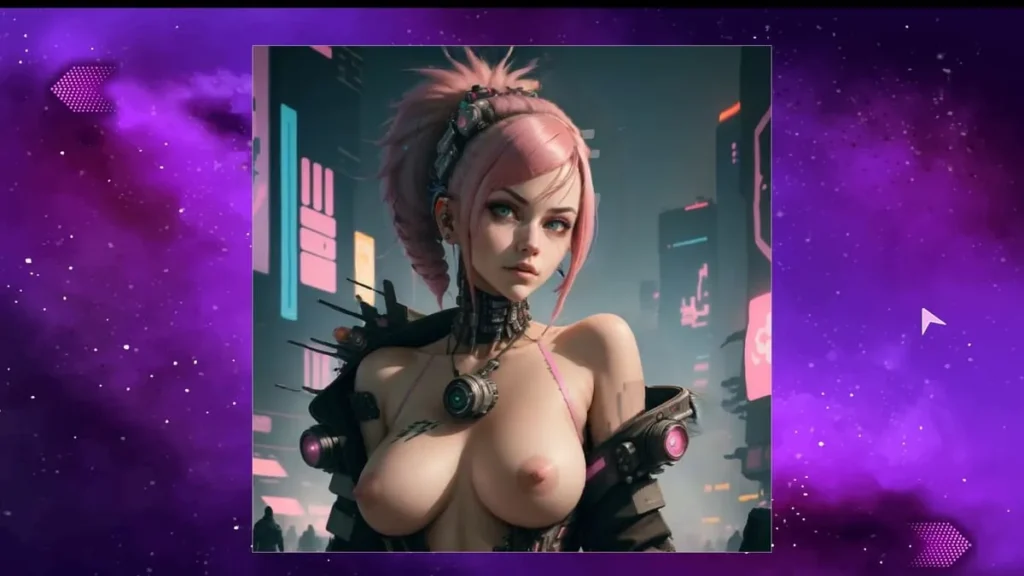
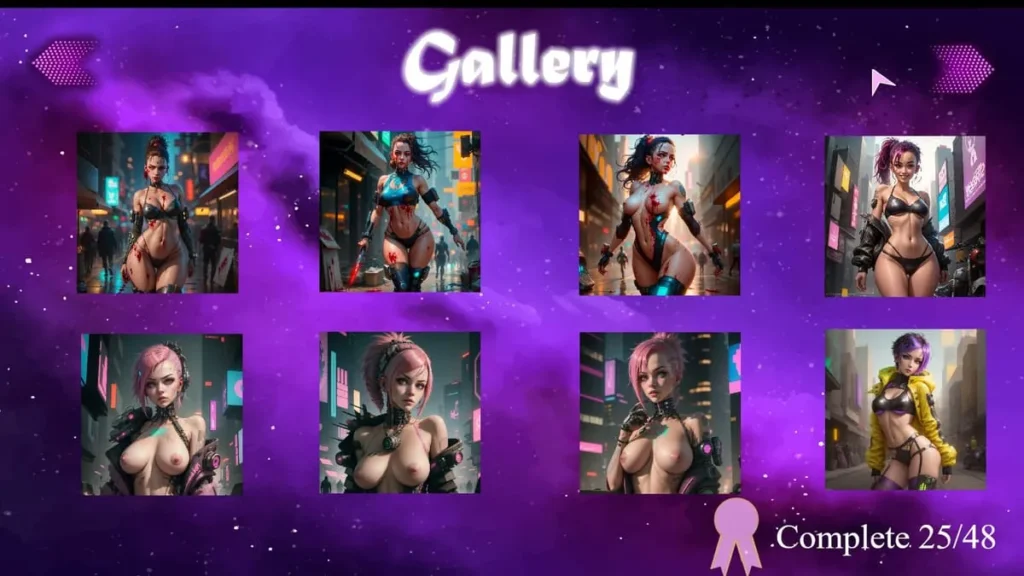
Sassy Cybergirl review
Master the cyberpunk puzzle adventure that blends strategy, narrative choice, and immersive gameplay
Sassy Cybergirl stands out as a distinctive cyberpunk-themed puzzle adventure that merges strategic mini-games with narrative-driven gameplay and character customization. Released in 2023, this game has redefined expectations in its niche by combining brain-teasing puzzles with immersive storytelling set in a neon-drenched dystopian metropolis. Whether you’re drawn to challenging puzzle mechanics, meaningful player choices, or character-driven narratives, understanding the core systems and gameplay loops will help you unlock the full potential of your experience. This guide walks you through everything from basic mechanics to advanced strategies, offering practical insights to enhance your journey through Neo-Tokyo.
Core Gameplay Mechanics and How Sassy Cybergirl Works
Welcome to the neon-drenched heart of Neo-Tokyo, runner. 👾 You’ve stepped into the boots of our sharp-tongued protagonist, and if you’re wondering how to navigate this world of chrome and chaos, you’re in the right place. Understanding the Sassy Cybergirl gameplay mechanics is your key to not just surviving, but truly thriving. This isn’t just about clicking through dialogue; it’s a dance between your wits, your reputation, and your digital wallet. Think of this as your personal cyberpunk puzzle game guide to mastering every grid, gate, and gossip-filled alleyway.
The magic of this adventure is how everything connects. Your Neo-Tokyo exploration gameplay leads to puzzles, which grant resources, which open narrative doors. It’s a beautifully interconnected system where every choice carries weight. Let’s break down exactly how it works.
The Essential Gameplay Loop: Explore, Interact, and Evolve
The rhythm of Sassy Cybergirl is deceptively simple but deeply engaging. It all starts with a goal. Maybe your Fixer, Jin, messages you with a job: “Retrieve the data-chip from the abandoned arcade in the Gutter District.” With an objective set, you dive into the city.
Your first phase is pure Neo-Tokyo exploration gameplay. You’re not just walking from A to B; you’re scouring. You click through vibrant, detailed environments—from the towering corporate plazas of the Zenith Spire to the leaking, hologram-lit corridors of the Undercity. Every location is packed with interactable elements: chatty NPCs with their own agendas, environmental clues, datalogs, and suspicious-looking access panels. 👀 Talking to a noodle vendor might reveal a backdoor into a secure building. Reading a discarded memo could give you the passphrase for your next hack.
This exploration feeds directly into interaction and puzzle-solving. That suspicious access panel? It’s locked by a grid-rerouting puzzle. The snobby corpo guarding the elevator? He’ll only let you pass if you succeed at a social engineering challenge, which plays out like a tactical dialogue puzzle. Each solved encounter pushes the story forward, rewards you with key resources, and often presents a narrative branching choice. Do you hand the recovered data to your client, or secretly sell it to their rival? Your decision here will ripple out, changing which jobs are offered later and how certain characters treat you.
Finally, you evolve. The resources you earn let you upgrade your gear, buy crucial intel, or bribe your way out of trouble. This prepares you for the next, more complex objective, restarting the loop. It’s a constant, satisfying cycle of seeing a problem, using the environment to understand it, solving it with your brain, and reaping the rewards that make you stronger for the next challenge.
Puzzle Encounters and Strategic Mini-Games
If exploration is the game’s heartbeat, puzzles are its cracking spine. 🧠 Forget generic lock-picking minigames; every challenge in Sassy Cyborgirl is diegetic and feels part of the world. Your success in these moments is the core of the puzzle mini-games strategy. They are never just barriers; they are opportunities to gain advantages, resources, and story insights.
Let’s look at the main types you’ll master:
- Grid-Rerouting for Hacking: This is your bread and butter. You’re presented with a circuit grid, and you must rotate and connect nodes to create a path from a source to a data vault. Early puzzles are simple, but later ones introduce firewalls (blocked nodes), data torrents that push your connection in a specific direction, and timed nodes that decay. The strategy comes from planning your route before you make a move, often under pressure.
- Power Rerouting: Similar visually, but with a different goal. Here, you’re balancing power loads across a grid to open doors or disable security. Overload one circuit, and alarms sound. It’s a lesson in careful distribution.
- Message Decoding: You’ll find encrypted fragments of text. Using clues from the environment (a logo on a wall, a repeated number in a datalog), you must crack the cipher. Solving these often reveals hidden plot points or alternative objectives.
- Social Engineering Challenges: My personal favorite. 😎 These play out like conversational chess. You’re given a profile of an NPC—their fears, desires, and loyalties—and a goal (get a keycode, distract them, gain their trust). You choose dialogue options and present “social proofs” (items or information you’ve found) to manipulate the conversation. Pick wrong, and their suspicion meter fills, locking you out.
Pro-Tip: Always explore every nook before a major puzzle encounter. The solution, or a crucial item that trivializes it, is almost always hidden in the immediate environment.
Here’s a detailed walkthrough example: You need to hack a terminal in a corpo office to get blackmail files. The terminal is protected by a medium-difficulty grid-rerouting puzzle. You have two options:
1. Solve it straight up: This requires about 90 seconds of logical thinking. Success grants you +15 Cyber-Flux (the digital currency) and the files.
2. Use the “Overload Chip” you found in the janitor’s closet: If you explored thoroughly, you have this consumable tool. Using it automatically solves the puzzle in 5 seconds but causes a minor power surge, drawing the attention of a guard.
If you take option 2, you get the files and +10 Social Cachet (because it was a flashy, bold move), but you now have a guard to deal with—perhaps leading to another puzzle or a quick narrative choice to talk your way out. This one encounter showcases the resource management trade-off and how narrative branching choices can sprout from a single puzzle solution. Your puzzle mini-games strategy isn’t just about solving it; it’s about how you choose to solve it.
Resource Management: Social Cachet and Cyber-Flux
In the economy of Neo-Tokyo, cred is everything—and you deal in two very distinct currencies. Managing your Social Cachet and Cyber-Flux resources is what separates a novice from a master. This isn’t just about getting rich; it’s about strategic identity crafting and survival. 💳⚖️
Social Cachet is your reputation, your vibe, your street (and boardroom) cred. It’s an intangible but powerful resource. You earn it by:
* Solving puzzles with style or efficiency.
* Completing jobs for influential factions.
* Making bold, public choices in the story.
* Successfully manipulating people in social puzzles.
You spend Social Cachet to:
* Access exclusive locations or clubs (e.g., “The Velvet Circuit” nightclub).
* Persuade powerful NPCs without needing a bribe or a favor.
* Unlock special, reputation-gated dialogue options that can lead to easier paths or hidden quests.
* Intimidate lower-level goons into backing down.
Cyber-Flux is cold, hard digital cash. The lifeblood of the city. You earn it by:
* Completing jobs for monetary reward.
* Selling scavenged data or components.
* Choosing the lucrative, often morally grey, option in narrative branching choices.
* Successfully hacking bonus data vaults within puzzles.
You spend Cyber-Flux to:
* Purchase tools, software upgrades, and cyberware from vendors.
* Bribe guards, officials, or informants.
* Pay for fast travel across the city’s transit network.
* Cover your debts with unsavory types.
The constant tension between these two resources defines your playthrough. That blackmail data you stole? You could sell it for a huge pile of Cyber-Flux to buy that neural accelerator you’ve been eyeing. Or, you could use it to ruin a corrupt official, gaining massive Social Cachet with the underground activist group, which opens up a whole new story thread. You can’t always have both. This resource management layer adds profound depth to every decision, making you truly feel the weight of living in a cyberpunk world.
The Rising Challenge: How the Game Teaches and Tests You
Sassy Cyborgirl is brilliant at pacing its learning curve. The difficulty progression in this puzzle adventure is carefully crafted across three distinct Acts, ensuring you’re always challenged but never unfairly overwhelmed.
- Act 1: The Tutorial (Without Feeling Like One). You’re learning the ropes. Puzzles introduce one mechanic at a time. Resources are scarce, teaching you their value. The narrative branching choices are often binary and local, showing you that your voice matters. The game holds your hand just enough to let you find your footing in Neo-Tokyo.
- Act 2: The Complication. Here’s where systems merge. Puzzles now combine mechanics—a hacking grid might also have a power management element. Social Cachet and Cyber-Flux demands become more pressing, forcing tough choices. Your earlier narrative decisions begin to visibly branch the story, closing some doors and opening others. The game stops telling you what to do and starts asking you how you want to do it.
- Act 3: The Mastery Test. The gloves are off. You face layered, multi-stage puzzles that require everything you’ve learned. Resource management is critical for survival. Your accumulated Social Cachet and Cyber-Flux, and the narrative choices you’ve made, will determine which of several endgame paths you can access, who stands with you, and what the final cost of your journey will be.
The beauty of this difficulty progression is that it feels organic. You grow smarter alongside your character.
| Act | Puzzle Complexity | Resource Management Challenge | Narrative Progression Stage |
|---|---|---|---|
| Act 1: Neon Foundations | Basic, single-mechanic puzzles. Introduces grid-rerouting, simple decoding. | Scarcity. Teaches the value of both currencies through small, mandatory purchases. | Establishment. Choices affect immediate outcomes and local character relationships. |
| Act 2: Tangled Networks | Hybrid puzzles. e.g., Hacking + Timers, Social Engineering with limited tools. | Tension. Major purchases force a clear choice between Cachet or Flux paths. | Branching. Earlier decisions create distinct mission chains and faction reputations. |
| Act 3: System Overload | Complex, layered challenges. Puzzles with multiple sequential stages and high stakes. | Critical. Resources determine available endgame strategies and ally support. | Convergence. Major narrative branches culminate, defining the final outcome of Neo-Tokyo. |
Weaving Your Own Story: The Power of Narrative Choice
This game is more than a series of brain teasers; it’s your story. The narrative branching choices game mechanics are seamlessly stitched into every aspect of the Sassy Cyborgirl gameplay. A choice isn’t just a dialogue box; it’s how you solve a puzzle, who you pay off, or what you do with stolen data.
Let me give you a personal example from my playthrough. In Act 2, I had to get a prototype chip from a lab. I could:
* Brute-force the hack (a very hard puzzle), alerting minimal security but using up my best software.
* Bribe a lab tech (costing 500 Cyber-Flux), making it a simple walk-in.
* Blackmail the head of security using Social Cachet I’d built with a media faction, which required me to first complete a side-quest for them.
I chose the blackmail route. It took longer, but it felt deviously clever. The consequence? The security chief later became a reluctant informant for me. However, because I’d alienated the corp, a different, smoother mission path later in the game was now closed to me. That’s the magic. These narrative branching choices aren’t about “good” or “evil”; they’re about defining your character’s methodology, alliances, and legacy in a world of grey.
Mastering Sassy Cyborgirl means embracing this interconnected philosophy. Your Neo-Tokyo exploration fuels your puzzle mini-games strategy, which earns your Social Cachet and Cyber-Flux resources, which empower your narrative branching choices. It’s a cybernetic circle of cause and effect. As the difficulty progresses through this immersive puzzle adventure, you’ll realize you’re not just playing a game—you’re learning the rules of a new, brutal, beautiful world. Now get out there, figure out your style, and leave your mark on the skyline. The city is waiting. 🌃✨
Sassy Cybergirl represents a landmark achievement in interactive entertainment by seamlessly blending challenging puzzle mechanics with meaningful narrative choices and immersive cyberpunk storytelling. From the foundational gameplay loop of exploration and puzzle-solving to the sophisticated systems governing character progression and resource management, every element works in concert to create a cohesive and engaging experience. The game’s commitment to skill-based content unlocks, nuanced character customization, and branching narratives ensures that your choices genuinely matter, reshaping the world and available paths throughout your journey through Neo-Tokyo. Whether you’re drawn to the strategic depth of layered puzzles, the cultural significance of its queer representation, or the atmospheric world-building that brings the dystopian metropolis to life, Sassy Cybergirl offers a distinctive gaming experience that rewards both puzzle mastery and narrative exploration. As you venture into this neon-drenched future, remember that your success depends not on wallet depth but on skill development and strategic decision-making. Dive into the game, master the puzzles, build your reputation, and discover the multiple story paths waiting to be unlocked through your gameplay choices.