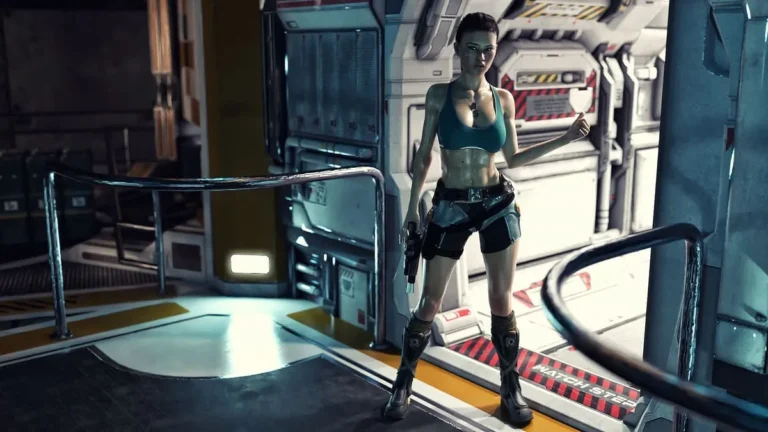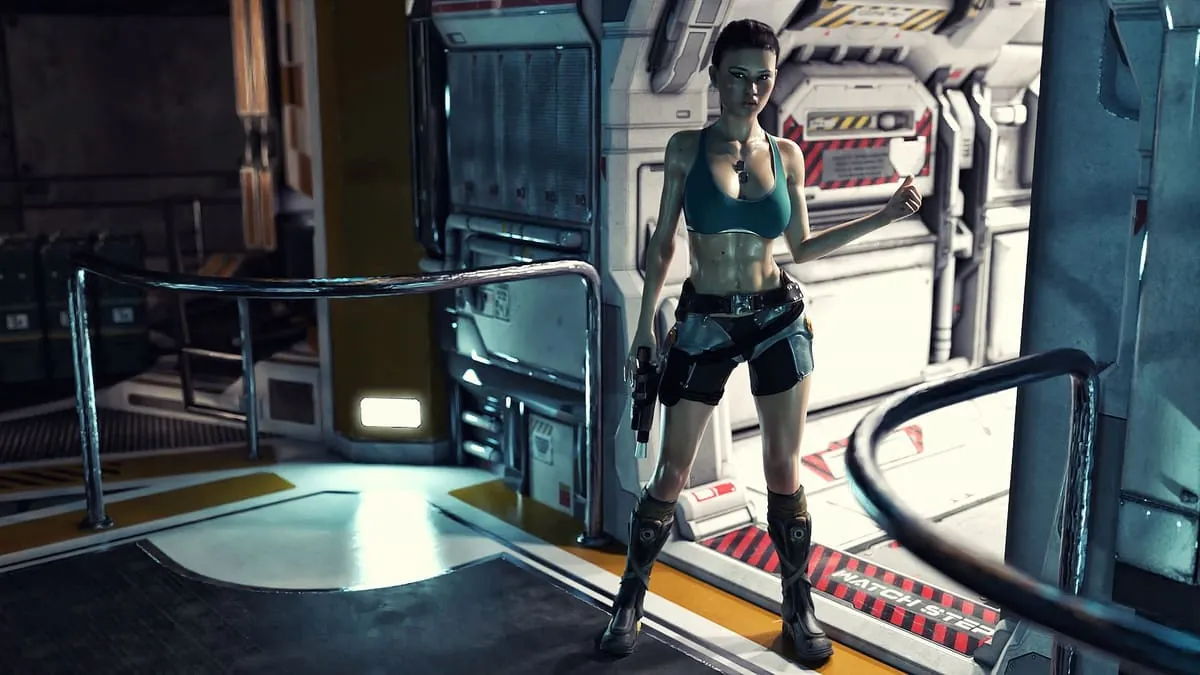
SWe1: The Warrior’s Heart
Play SWe1: The Warrior’s Heart
SWe1: The Warrior’s Heart Screenshots






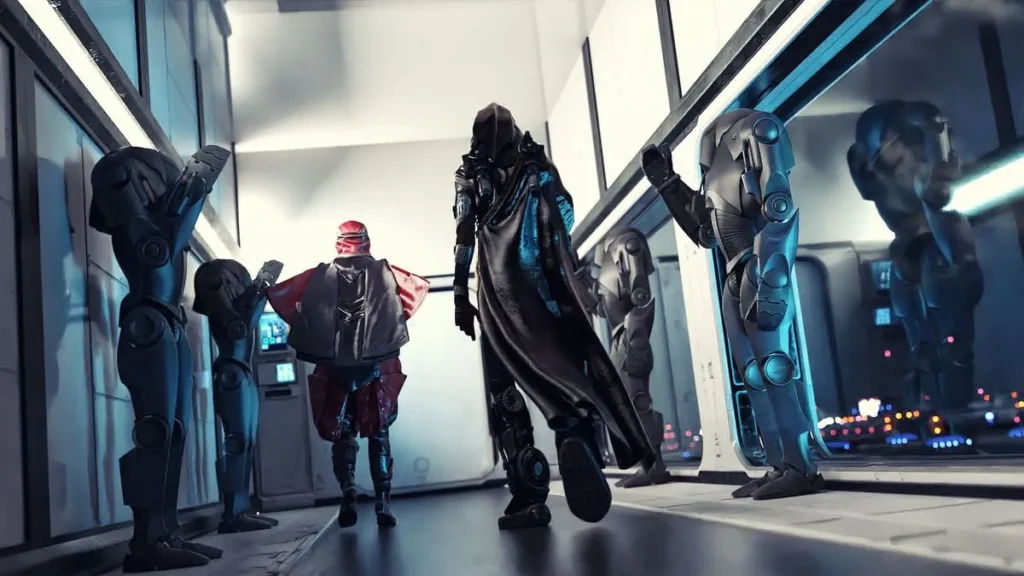
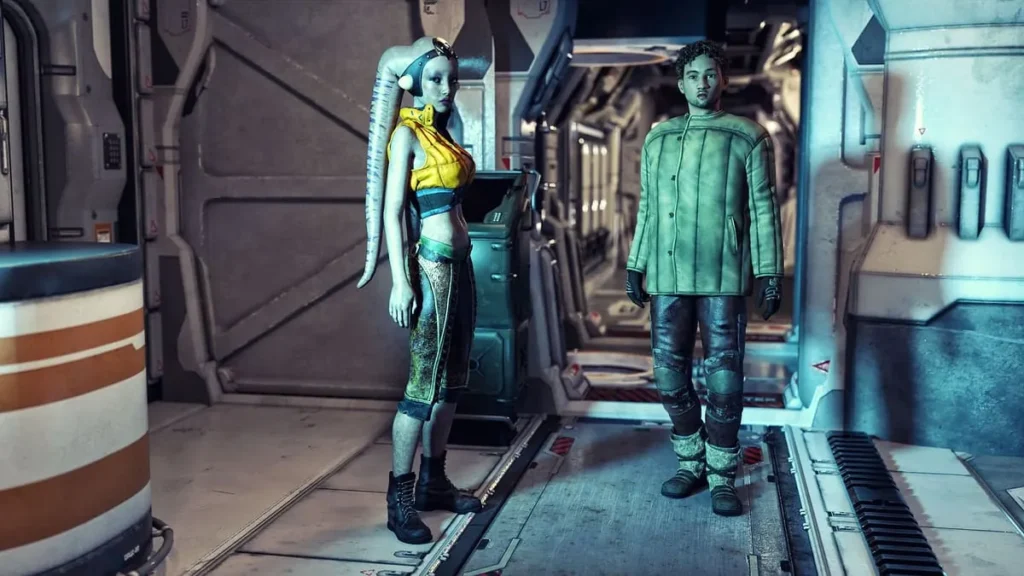

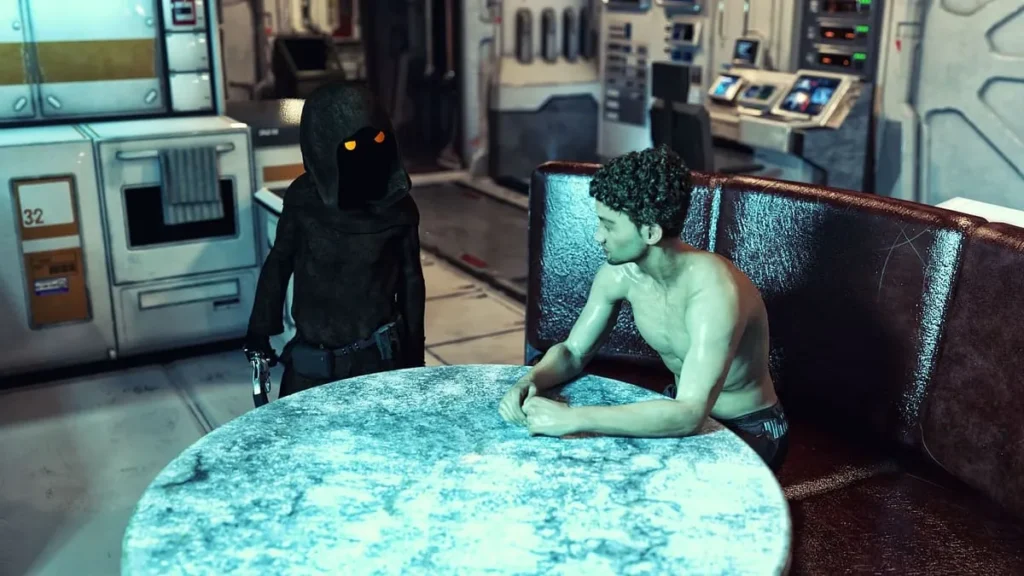

SWe1: The Warrior’s Heart review
Explore the Epic Star Wars-Inspired Adult Adventure with Branching Narratives and Strategic Gameplay
SWe1: The Warrior’s Heart stands out as an immersive visual novel that transports players into a richly detailed sci-fi universe inspired by iconic space opera themes. This interactive adventure game puts you in control of Kaylan, a young protagonist whose decisions shape an intricate narrative filled with action, drama, and meaningful relationships. Whether you’re drawn to strategic decision-making, character development, or exploring multiple story branches, this game delivers a compelling experience where every choice carries weight. Discover what makes this title a standout in the interactive storytelling genre and how to unlock its full potential.
Understanding the Core Gameplay and Story of SWe1: The Warrior’s Heart
Welcome, commander. ✨ Strap in, because SWe1: The Warrior’s Heart isn’t your typical space opera. You’re not here to watch a hero’s journey—you’re here to live it, define it, and bear the full weight of its story consequences and outcomes. From the moment you name your version of Kaylan, you’re holding the reins to one of the most intricate interactive visual novel mechanics experiences in adult gaming. This chapter is your deep dive into the heart of the machine: how every thought, word, and bond you forge reshapes the galaxy around you.
What Makes the Narrative Structure Unique?
At its core, the SWe1 The Warrior’s Heart gameplay loop is a masterclass in integration. It seamlessly blends tense, choice-driven conversations with strategic mission planning and explosive action sequences. Think of it less as a “game” and more as a dynamic story engine where you are the primary component. 🚀
The foundation is its branching narrative choices system. This isn’t a story with a few alternate endings tacked on; it’s a sprawling web of cause and effect. Early in my first playthrough, I made a seemingly minor choice to trust a nervous engineer with a secret. I didn’t think much of it until, twenty hours later, that same engineer bypassed a critical security grid to save my crew from an ambush. The game has a long, impeccable memory. Your decisions—from grand moral stands to off-hand remarks—seed the future, growing into alliances, betrayals, and entirely unique mission chains.
This psychological depth is what sets it apart. While the backdrop is a Star Wars-inspired universe of galactic factions and ancient mysteries, the true frontier is internal. The narrative relentlessly probes themes of duty versus desire, the sacrifice required for leadership, and what remains of “humanity” when you’re enhanced by technology and burdened by command. You’ll question not just what the right thing to do is, but who you, as Kaylan, even are by the end.
Pro Tip: Don’t rush through dialogue. The game’s richest lore and most crucial character hints are often buried in optional conversation branches. Your curiosity is directly rewarded with narrative power.
Central to this is Kaylan protagonist customization. While you don’t alter their physical appearance in a traditional sense, you define their soul. You choose their name, which becomes how your crew addresses you, making the connection deeply personal. More importantly, you craft their personality through every response. Are you a by-the-book officer, a pragmatic survivor, or a charismatic idealist? The game doesn’t label these paths, but it tracks your consistency. Characters will remark on your tendencies, and certain dialogue options or story avenues will only unlock if your behavioral pattern matches. This makes your Kaylan feel uniquely yours, a true avatar in the story.
How Do Your Choices Impact the Story?
This is where the magic—and the tension—truly happens. The dialogue choice impact on story is immediate, visceral, and far-reaching. Every exchange is a potential pivot point. You’re not just picking “Nice thing to say” or “Mean thing to say.” You’re navigating a complex social and tactical landscape where building trust with one ally might inherently sow distrust with another.
Let’s break down the primary areas of impact:
- Faction Standing: Your actions and public declarations will shift your reputation with the major powers in the galaxy. A mission completed with ruthless efficiency might please the militaristic Imperium but horrify the freedom-focused Rim Coalition, locking you out of their allied quests and vendor networks.
- Crew Loyalty: This is the heartbeat of the game. Your character relationship system is not a simple “like” meter. It’s a multi-faceted measure of trust, respect, and personal affinity. A crew member might respect your tactical genius but distrust your motives, leading to tense private confrontations that alter their personal story arc.
- Mission Parameters & Endings: This is the most dramatic dialogue choice impact on story. A peaceful negotiation can turn into a bloody firefight based on a single poorly chosen phrase. Conversely, a mission scripted for combat can sometimes be resolved with words, unlocking “Ghost” achievement runs and unique rewards. The game boasts multiple endings that aren’t just about who lives or dies, but about the political landscape of the galaxy and the philosophical legacy of your command.
To visualize how delicate this web is, here’s a look at key decision points:
| Scenario & Choice | Immediate Outcome | Long-Term Story Consequence | Unlocked Ability/Path |
|---|---|---|---|
| Ash and Embers Mission: Confront the rogue agent with empathy, recalling their past service. | Agent stands down peacefully; mission concludes without combat. | Agent later provides intel on a hidden Imperial depot; opens a “Redemption” side quest chain. | Gain “Negotiator” trait, unlocking persuasive options in future faction talks. |
| Ash and Embers Mission: Accuse the agent of treason and threaten with lethal force. | Agent triggers base self-destruct; frantic escape sequence under fire. | Agent’s faction cells become permanently hostile; a loyal crew member may question your ruthlessness. | Gain “Intimidating” trait, unlocking coercive options that can bypass certain security checks. |
| On the Bridge: Share your personal doubts about the mission with your First Officer. | Officer expresses appreciation for your honesty; bond deepens. | In a future crisis, the Officer will independently make a decision aligning with your compassionate values, saving lives. | Unlocks the Officer’s unique “Loyalty Shield” ability in combat, providing defensive buffs. |
| On the Bridge: Maintain strict command decorum and dismiss personal concerns. | Officer acquiesces professionally, but distance is felt. | In the same crisis, the Officer follows protocol rigidly, potentially leading to collateral damage they later regret. | Unlocks the Officer’s “Protocol Precision” ability, boosting accuracy for your squad. |
The quest design is where all these systems sing in harmony. Take the example of the ‘Ash and Embers’ mission, which is a brilliant case study. Your goal is to retrieve data from a bombed-out research outpost. Early on, you find a surviving scientist who is terrified and hiding. Here, the interactive visual novel mechanics present a mini-game: matching your dialogue tone to the scientist’s emotional state to calm them down.
- If you’ve built a Kaylan who is patient and scholarly, you might have an option to discuss the lost research, connecting on an intellectual level. Succeeding here doesn’t just get you the data location—the scientist, trusting you, reveals a hidden backdoor into the main server, allowing a stealthy approach.
- If your Kaylan is more direct and militaristic, you might succeed by offering firm protection. This gets the data location, but the scientist is too scared to offer more help. You’ll have to fight through the main security forces.
- Fail the dialogue minigame, and the scientist panics, triggering an alarm that brings heavy reinforcements immediately and spawns an optional (and very difficult) elite enemy to defeat for the data.
This one interaction changes the mission’s gameplay (stealth vs. combat), its narrative tone (collaboration vs. coercion), and its rewards (extra lore/credits for stealth, better weapon loot for combat). It’s a perfect microcosm of the entire SWe1 The Warrior’s Heart gameplay philosophy.
Exploring the Character-Driven Experience
Forget “leveling up” in a traditional sense. In SWe1: The Warrior’s Heart, you level up through your relationships. The character relationship system is your progression tree. Every crew member has a rich backstory, personal ambitions, and conflicting loyalties. Your interactions—from pivotal story moments to casual chats in the mess hall—build layers of connection.
These bonding scenes are never filler. They serve a powerful dual purpose. Narratively, they are where the game’s heart lies, exploring the ghosts of the past and hopes for the future that your crew carries. Mechanically, deepening a bond unlocks that character’s unique combat abilities for you to call upon in strategic sequences. Forge a strong enough bond with your grizzled combat engineer, and they might jury-rig your ship’s weapons for a temporary damage boost during a capital ship battle. Earn the trust of your mysterious psychic companion, and they might briefly scramble enemy targeting systems, giving you a crucial window. Your social strategy directly fuels your tactical options.
This creates a beautiful, organic loop. You invest in people not just because you like them, but because their growing trust in you literally makes you a more capable commander. It makes every conversation meaningful. You’re constantly weighing: “Do I say what they want to hear to build affinity, or do I stay true to my Kaylan’s principles, even if it creates conflict?” There is no “optimal” path—only your path, with all its brilliant successes and poignant regrets.
Ultimately, understanding the core of SWe1: The Warrior’s Heart is understanding that you are playing a system of human (and non-human) psychology as much as you are playing a game. The branching narrative choices are your tools. The story consequences and outcomes are your legacy. Your journey from a newly minted commander to a legendary (or infamous) figure is written one deliberate, heart-pounding choice at a time. This is an adventure where the most important battles are fought with words, and the strongest weapon you have is the heart of your crew. 🛸 Will you forge them into a family, or a weapon? The galaxy waits for your answer.
SWe1: The Warrior’s Heart delivers a compelling interactive experience that goes far beyond typical visual novel conventions. By combining intricate branching narratives with meaningful character relationships, strategic decision-making, and stunning visuals, the game creates an immersive world where your choices genuinely matter. Whether you’re drawn to the complex political intrigue, the emotional depth of character relationships, or the satisfaction of discovering hidden story branches, this title offers substantial replay value and engagement. The game’s success lies in how it seamlessly integrates intimate moments with high-stakes tactical decisions, creating a narrative experience that feels both personally meaningful and consequential. If you’re seeking an interactive adventure that respects player agency and delivers multiple distinct stories based on your choices, SWe1: The Warrior’s Heart stands as a standout entry in the interactive storytelling genre. Start your journey today and discover how your decisions shape an unforgettable intergalactic adventure.