Tentacular
Play Tentacular
Tentacular Screenshots

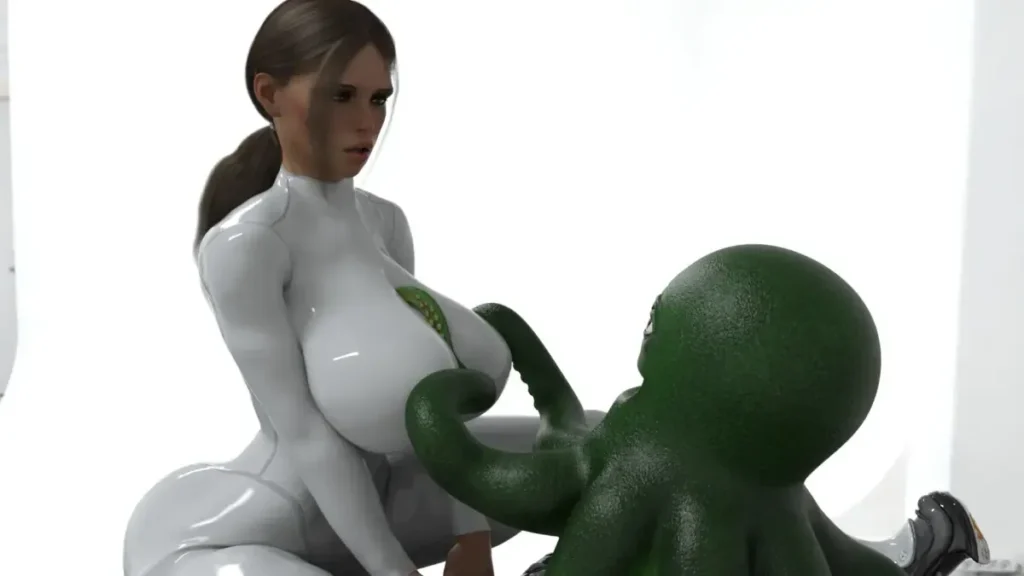

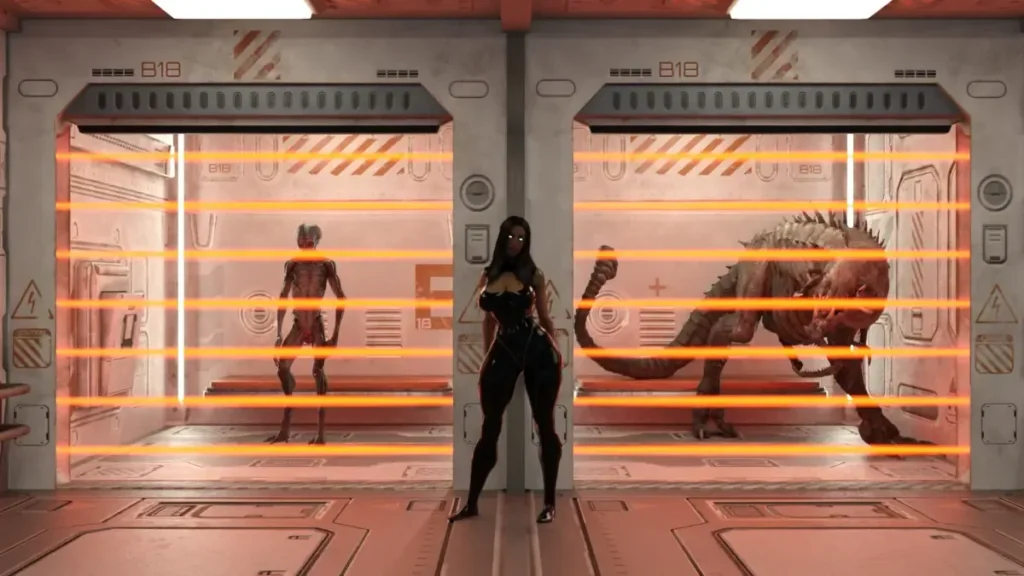

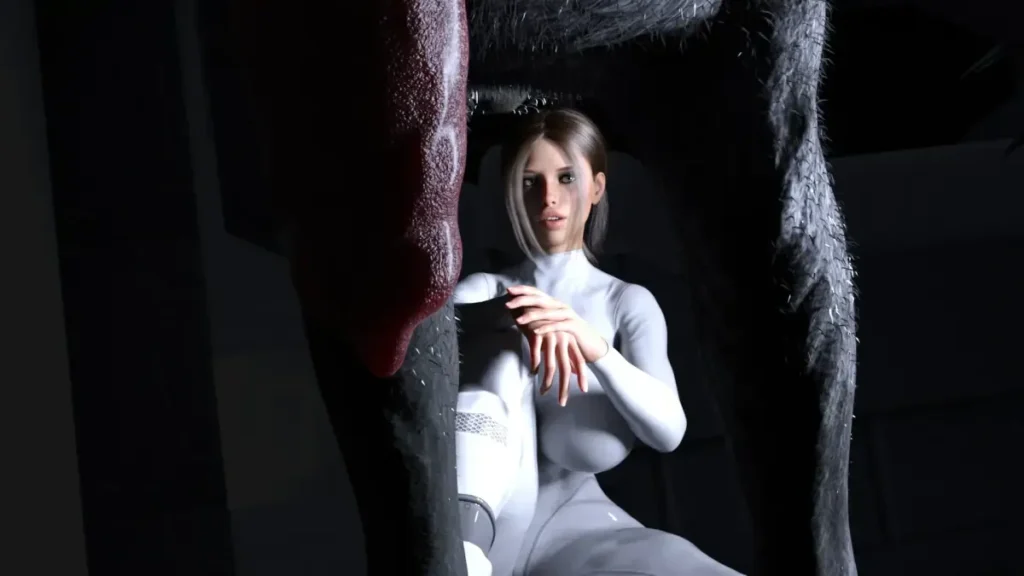
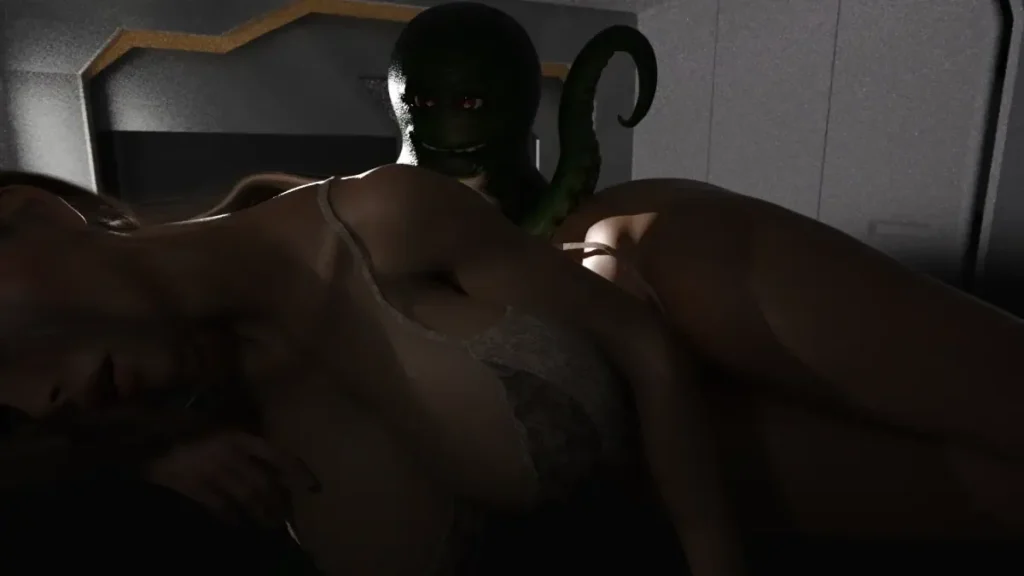




Tentacular review
Explore the mechanics, design philosophy, and immersive experience behind this innovative title
Tentacular stands out as a distinctive gaming experience that challenges conventional gameplay mechanics through its innovative approach to player interaction and environmental storytelling. This guide explores the core elements that define Tentacular, from its unique control systems to its narrative depth. Whether you’re a seasoned gamer curious about experimental titles or someone interested in understanding how modern games push creative boundaries, this comprehensive overview will help you grasp what makes Tentacular a noteworthy entry in contemporary gaming. Discover how this title reimagines player agency and creates meaningful engagement through unconventional design choices.
Understanding Tentacular’s Core Gameplay Mechanics
When I first booted up Tentacular, I expected another charming puzzle game with a quirky premise. What I got instead was a complete reimagining of how players connect with a virtual world. 🎮 The moment I took control of my tentacled protagonist, I realized this wasn’t going to be business as usual. The Tentacular gameplay mechanics don’t just challenge your problem-solving skills—they challenge your very understanding of how digital spaces should feel and respond.
This game represents a significant leap in experimental game mechanics, blending physical comedy with genuine emotional depth. I remember my first hour playing, fumbling with the controls while simultaneously marveling at how every clumsy movement felt intentional, like learning to use a new limb. The Tentacular player experience is fundamentally different because the game makes you earn every accomplishment through genuine mastery rather than button-mashing repetition.
How Tentacular’s Control System Redefines Player Interaction
The heart of Tentacular’s revolution lies in its innovative game controls that transform simple actions into meaningful accomplishments. 🐙 Rather than mapping actions to specific buttons, the game gives you direct control over each tentacle, creating what I can only describe as “digital puppeteering.” When I needed to lift a crate during my first major puzzle, I didn’t press an “interact” button—I physically wrapped a tentacle around the object and carefully hoisted it upward.
What makes this control scheme so revolutionary is how it mirrors real physical limitations while remaining intuitive. The tentacles have weight and momentum, meaning you can’t instantly change directions or stop movements mid-action. During one particularly memorable session, I attempted to carefully place a delicate electronic component on a platform, only to have my tentacle overshoot and send the component flying across the landscape. 😅 This wasn’t frustration—it was learning. The game teaches you precision through consequence, creating a narrative-driven gameplay experience where your improvement as a player feels like character development.
The learning curve is masterfully handled through what I call “progressive complexity.” Early puzzles require simple single-tentacle actions, but soon you’re coordinating multiple limbs while managing different grip strengths and angles. Here’s how the complexity unfolds:
| Game Phase | Control Complexity | Player Skill Development |
|---|---|---|
| Early Game | Basic single-tentacle movement | Spatial awareness, basic object interaction |
| Mid Game | Dual-tentacle coordination, precision grips | Multitasking, fine motor control |
| Late Game | Full tentacle orchestration, environmental manipulation | Strategic planning, predictive movement |
Player Tip: Don’t fight the tentacle physics—embrace them! The slight delay and momentum in your movements aren’t flaws; they’re essential components of the puzzle-solving experience. 🎯
The beauty of these innovative game controls is how they create organic comedy and triumph. I’ll never forget the time I successfully assembled an entire communication tower using all my tentacles simultaneously—the sense of accomplishment was palpable because I’d genuinely mastered a complex physical skill rather than simply memorizing a button combination.
Walkthrough Example: The Harbor Crane Puzzle
Let me walk you through one of my favorite early-game challenges that perfectly illustrates the Tentacular gameplay mechanics in action. You arrive at a damaged harbor where a fishing vessel needs to be unloaded, but the crane is inoperable. Your task: become the crane.
At first, it seems straightforward—just pick up crates and move them. But then you realize the crates have different weights and fragility levels. The heavy machinery parts require firm, powerful grips, while the glass aquarium containers need delicate handling. Meanwhile, the boat rocks gently in the water, creating a moving platform that tests your stability control.
The breakthrough moment came when I realized I could use two tentacles to stabilize myself against the dock while using two others to carefully extract the fragile containers. This four-limb coordination felt incredibly natural once I stopped thinking in terms of “controls” and started thinking in terms of “physical presence.” The solution emerged from understanding my body’s relationship to the environment—a core principle of the puzzle-solving game design.
Environmental Puzzle Design and Interactive Elements
Tentacular’s world isn’t just a backdrop—it’s an active participant in your journey. 🌍 The puzzle-solving game design philosophy centers on making the environment feel alive and responsive to your actions. Unlike many games where interactive elements are clearly marked, Tentacular encourages experimentation by making nearly everything in the world physically manipulable.
I discovered this during my second day with the game when I attempted what I thought was a simple bridge-building puzzle. The intended solution involved placing support beams, but I became frustrated when my tentacles kept knocking over the delicate structures. In a moment of improvisation, I used my entire body to brace the bridge while carefully positioning the final beam with one precise tentacle tip. The game didn’t just allow this alternative approach—it rewarded it with additional dialogue from nearby characters praising my “creative engineering.”
The environmental design follows what I call the “yes, and” principle—if you can imagine a physical solution using the tools available, the game will likely support it. This creates incredibly interactive storytelling games where the narrative emerges from your personal approach to challenges rather than predetermined sequences.
Here are the key environmental interaction types you’ll encounter:
- Structural manipulation: Moving, stacking, and assembling objects
- Fine motor tasks: Operating delicate machinery and electronics
- Large-scale construction: Coordinating multiple elements for major builds
- Dynamic environment response: Weather, physics, and character reactions to your actions
The Tentacular gameplay mechanics shine brightest when the environment itself becomes your primary tool. During one late-game puzzle involving a massive storm, I needed to protect a fragile communication dish from high winds. Instead than building a traditional shelter, I used my own body as a windbreak while carefully making repairs with my free tentacles. This moment perfectly encapsulated the Tentacular player experience—you’re not just controlling a character in the world; you are physically present within it.
The feedback systems are brilliantly subtle yet effective. 🎨 Visual and audio cues guide your understanding without explicit instructions. When you’re applying too much pressure to a fragile object, it develops hairline fractures accompanied by subtle cracking sounds. When you’re approaching a solution, the environment responds with encouraging visual flourishes—lights brighten, characters gesture approvingly, and the music swells organically.
Narrative Integration Through Gameplay Experience
What truly sets Tentacular apart is how seamlessly it blends its narrative-driven gameplay with mechanical execution. 📖 The story doesn’t happen between puzzles—it emerges from them. As someone who’s played countless interactive storytelling games, I can confidently say Tentacular represents a new benchmark for organic narrative integration.
The game’s central theme of “finding your place in a community” is reflected in every mechanical choice. Early on, the islanders are wary of your tentacled presence, and this is mirrored in the controls—your movements feel clumsy and uncertain. But as you successfully help the community through various construction and repair projects, two things happen simultaneously: the islanders warm to you in the narrative, and you become more proficient with the controls. This parallel development creates an emotional resonance I’ve rarely experienced in games.
I particularly remember the “Community Center Reconstruction” sequence, where I spent hours carefully rebuilding the town’s gathering place. With each beam placed and each wall raised, I wasn’t just completing objectives—I was literally constructing the setting for future narrative moments. When the townspeople finally gathered in the space I’d built, using dialogue that specifically referenced my construction choices, the line between “player” and “character” completely dissolved.
The Tentacular player experience is deepened by how character relationships develop through gameplay actions rather than dialogue choices. One side character, an elderly inventor named Kael, initially dismisses your capabilities. But when you successfully assemble his complex weather device using precise tentacle control, his entire demeanor changes—not just in cutscenes, but in how he interacts with you during future puzzles, offering hints and showing genuine respect.
This approach to interactive storytelling games creates what I call “mechanical narrative”—where the story is told through your growing mastery of the game’s systems. Your journey from clumsy newcomer to skilled community member isn’t just described; it’s felt in your hands as the controls become second nature and the puzzles that once seemed impossible become intuitive.
| Narrative Beat | Gameplay Reflection | Player Skill Level |
|---|---|---|
| Outsider arrival | Basic control tutorial, simple tasks | Novice tentacle control |
| Growing acceptance | Moderate complexity puzzles, community requests | Competent single-object manipulation |
| Valued community member | Complex multi-step projects, precision tasks | Advanced coordination and planning |
| Island hero | Emergency response, delicate operations | Master-level instinctive control |
The emotional payoff of this design approach is tremendous. When I completed the final major puzzle—stabilizing a crumbling lighthouse during a violent storm—the victory felt earned not just because I’d solved a complex physical challenge, but because my journey mirrored the character’s arc from awkward outsider to essential protector. This seamless fusion of narrative-driven gameplay and Tentacular gameplay mechanics creates what might be the most emotionally genuine puzzle game I’ve ever experienced.
Frequently Asked Questions
How difficult is the learning curve for new players?
The learning curve is surprisingly gentle despite the unconventional controls. 🐙 The first hour is essentially an extended tutorial that introduces concepts gradually. What feels challenging initially becomes second nature within a few sessions. The key is approaching it as learning a new physical skill rather than traditional video game controls.
What happens when I get stuck on a puzzle?
The game has several subtle hint systems that activate based on your struggle time. Characters might make suggestive comments, environmental cues might become more pronounced, or the game might temporarily simplify physics for particularly tricky sections. There’s also a robust community of players sharing creative solutions online!
How long does it take to feel proficient with the controls?
Most players report feeling comfortable with basic movements within 1-2 hours. True proficiency—where you stop thinking about controls and start thinking directly in terms of physical action—typically develops around the 5-6 hour mark. The progression feels natural and rewarding throughout.
Are there multiple solutions to puzzles?
Absolutely! 🎯 The game actively encourages creative problem-solving. During my playthrough, I often discovered completely unexpected approaches that the development team clearly anticipated and supported. This flexibility is central to the puzzle-solving game design philosophy.
How does the game handle frustration from failed attempts?
Brilliantly. Failed attempts often produce comedic physical results rather than “game over” screens. The tone remains lighthearted, and checkpoints are generously placed. Most importantly, every failure teaches you something valuable about the physics system, turning frustration into learning opportunities.
What’s the balance between story and gameplay?
They’re inseparable. You’ll never hit a point where you’re just watching cutscenes or just solving puzzles in isolation. Every narrative development emerges from gameplay, and every gameplay sequence advances the story. This integration is what makes Tentacular stand out in the landscape of interactive storytelling games.
The Tentacular player experience represents a bold step forward for what games can achieve when they trust players to find their own way through challenges. By rejecting conventional control schemes and embracing physicality as a core mechanic, Tentacular doesn’t just offer puzzles to solve—it offers skills to master and a world to literally touch and transform. The resulting journey stays with you long after you put down the controller, which is the highest compliment I can give any game. 🌟
Tentacular represents a thoughtful approach to game design that prioritizes creative expression and meaningful player interaction over conventional mechanics. Through its innovative control systems, environmental storytelling, and commitment to player agency, the game demonstrates how experimental design can create compelling experiences that resonate with diverse audiences. The title’s emphasis on artistic vision and emotional resonance shows that games can serve as powerful mediums for exploring complex themes and fostering genuine connections between players and digital worlds. Whether you’re drawn to Tentacular for its unique mechanics, artistic direction, or narrative depth, the game offers a refreshing perspective on what interactive entertainment can achieve. As the gaming landscape continues to evolve, titles like Tentacular remind us that innovation and creativity remain central to pushing the medium forward.