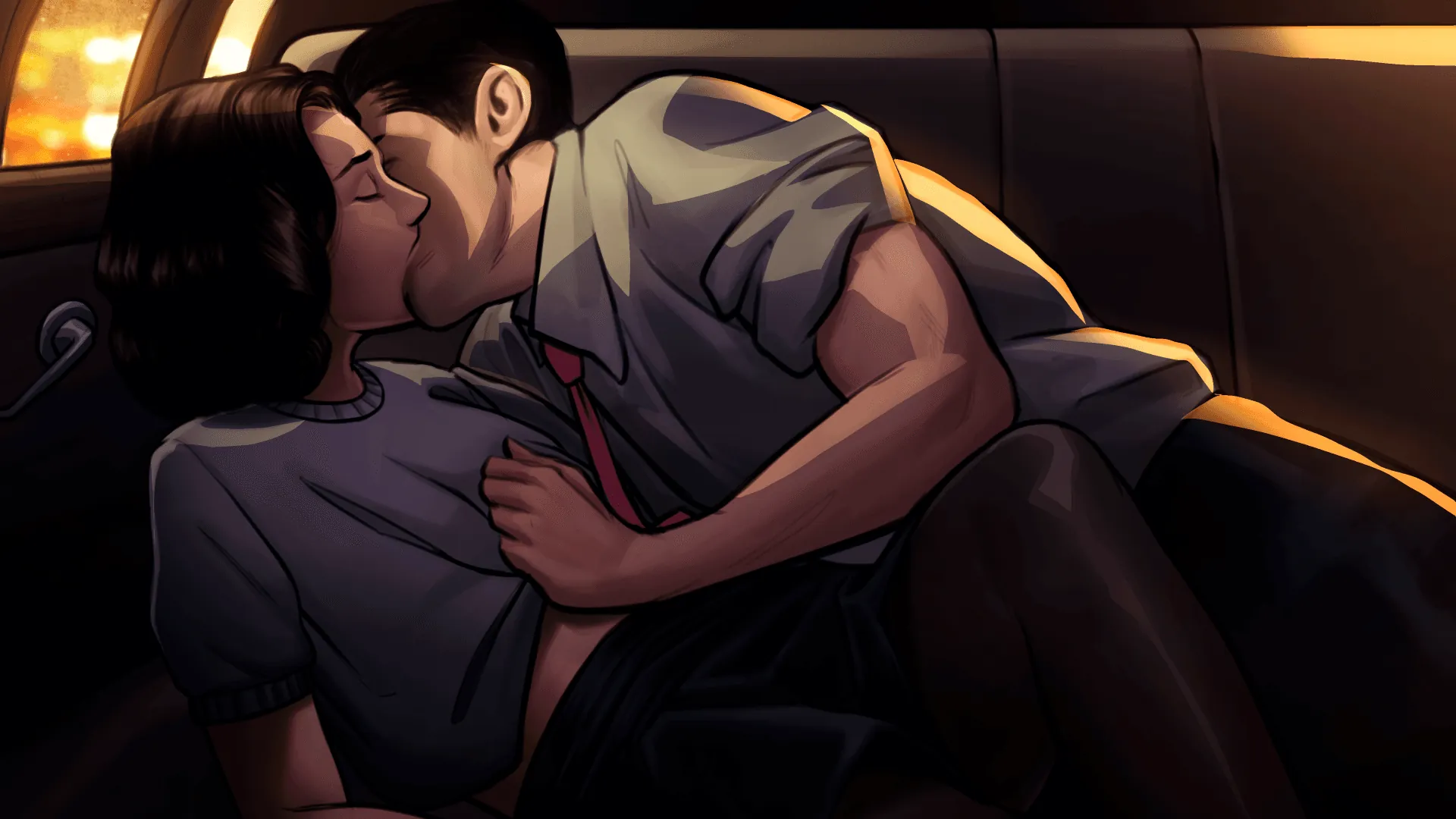
The Theater of Sinners
Play The Theater of Sinners
The Theater of Sinners Screenshots
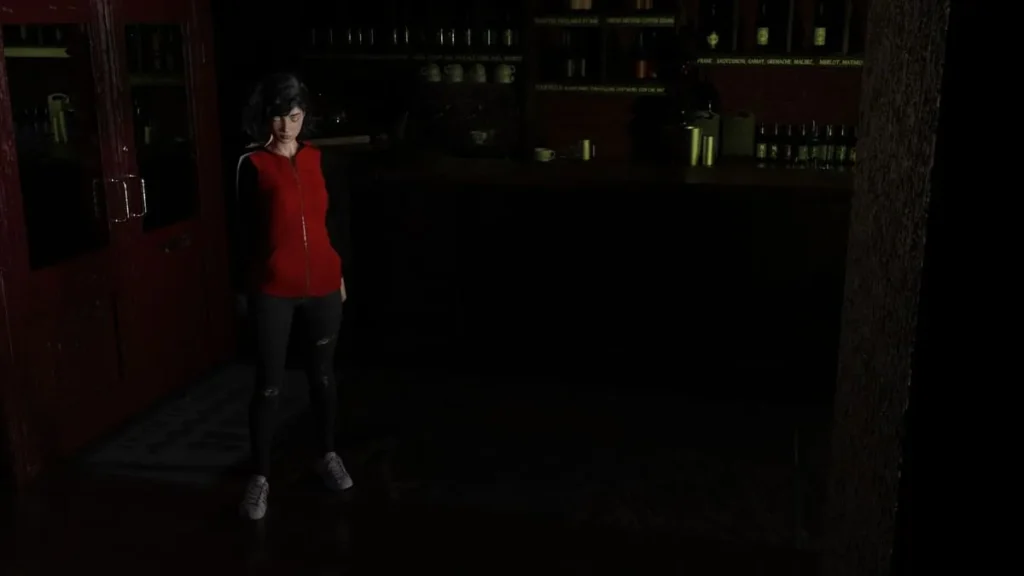
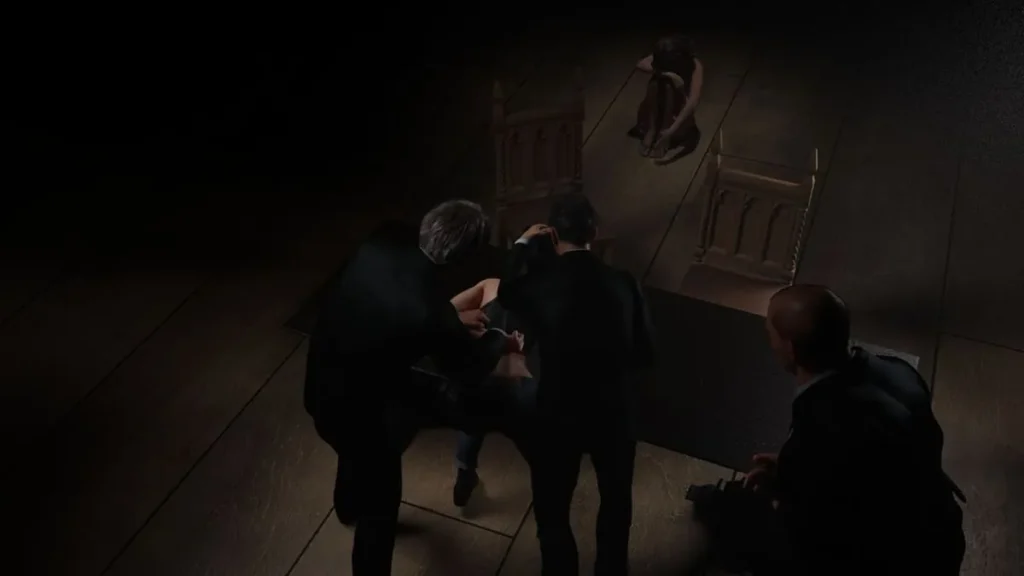
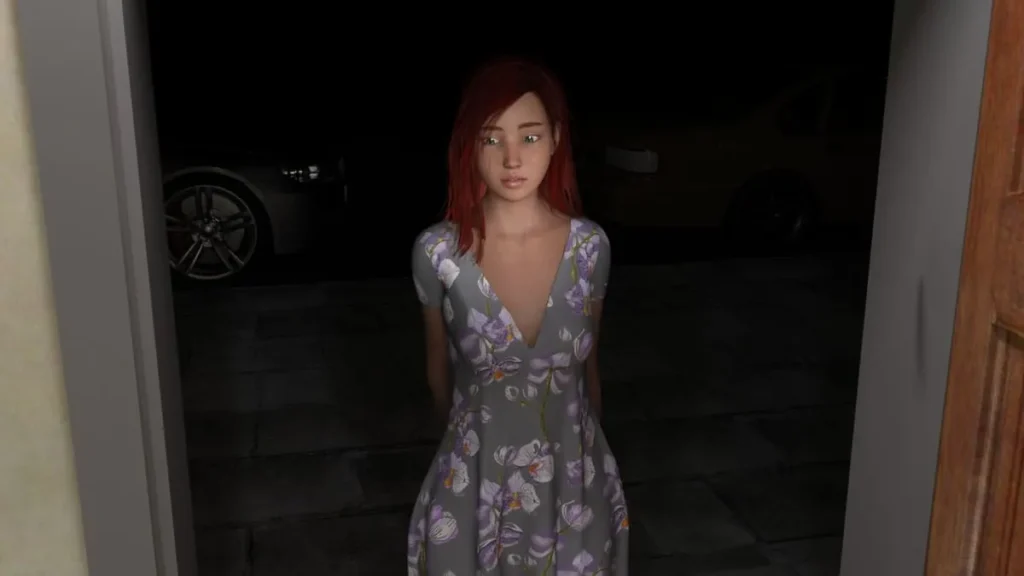
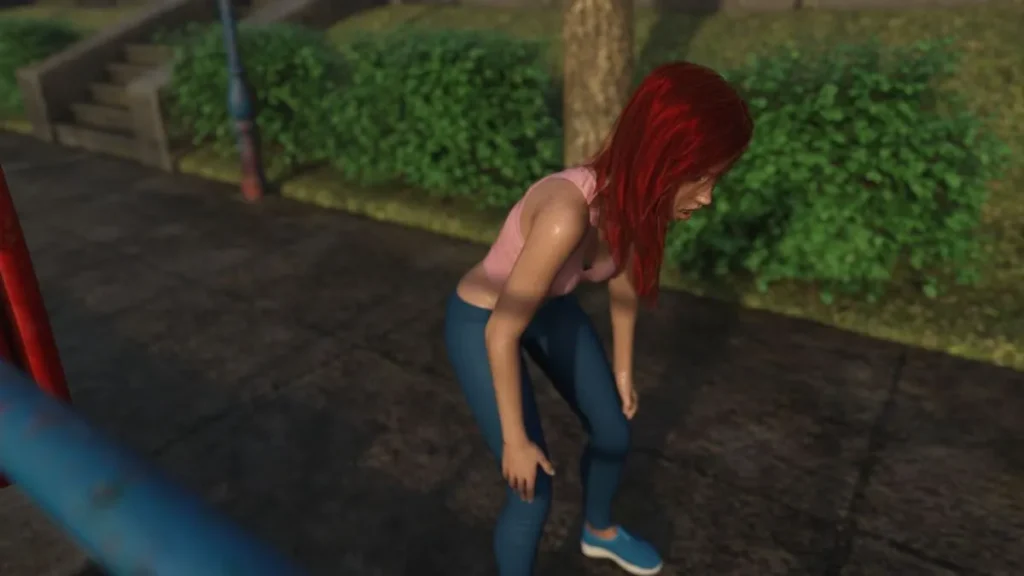
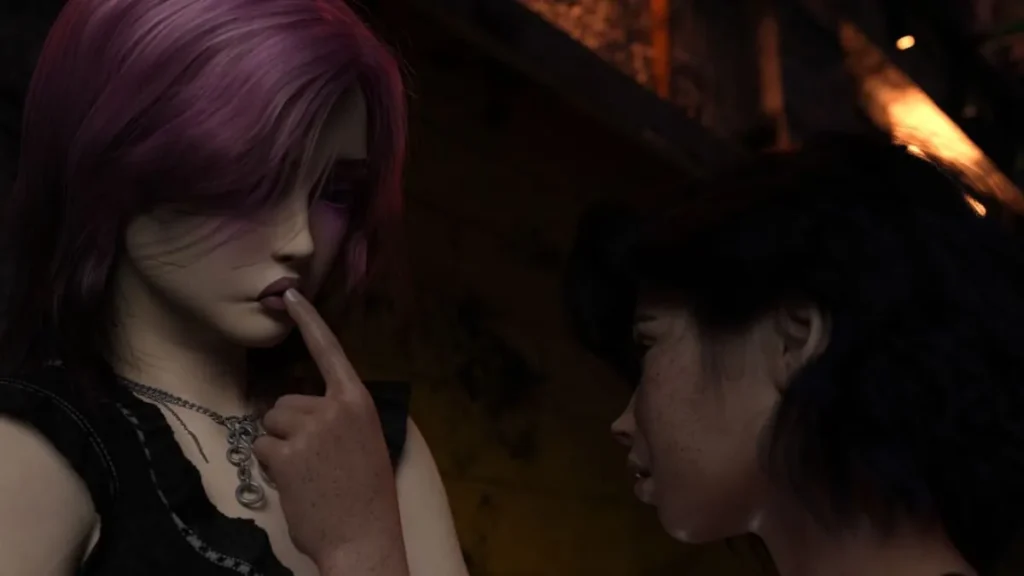
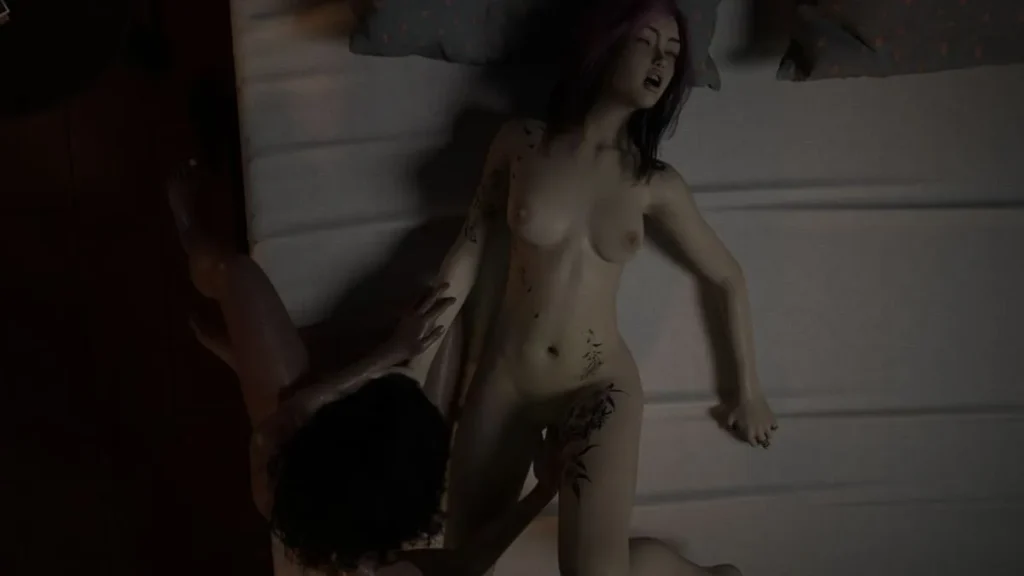
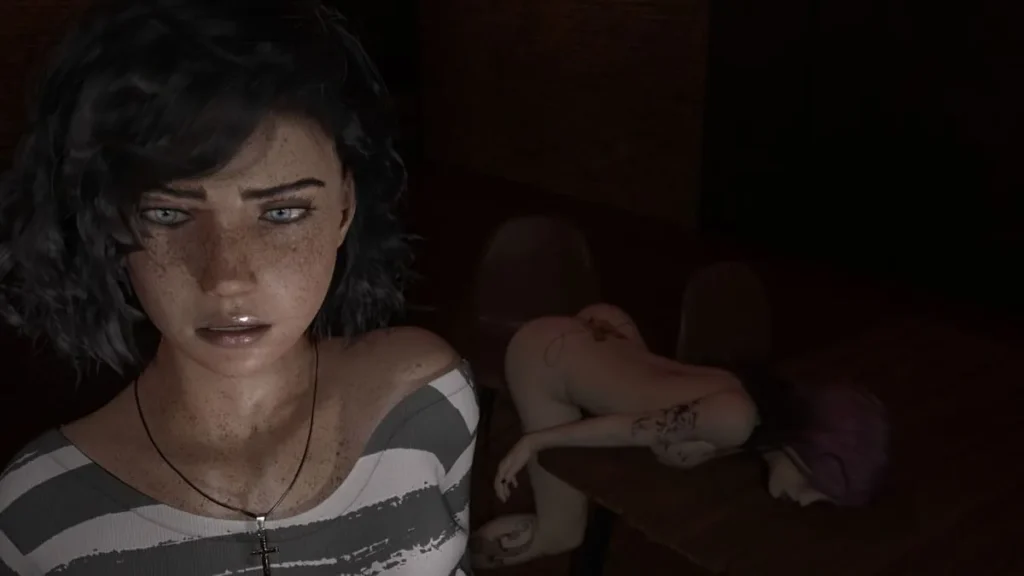


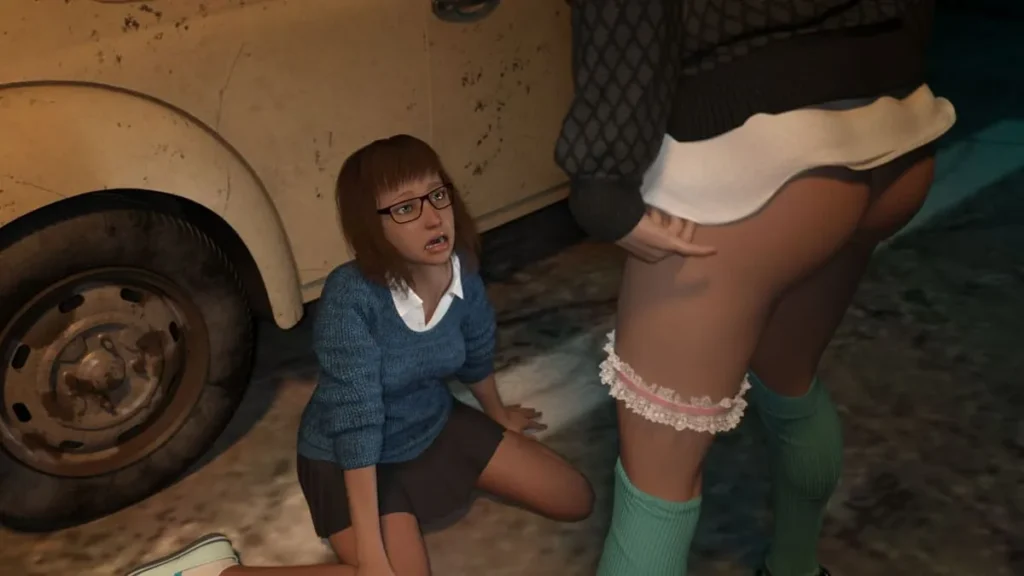
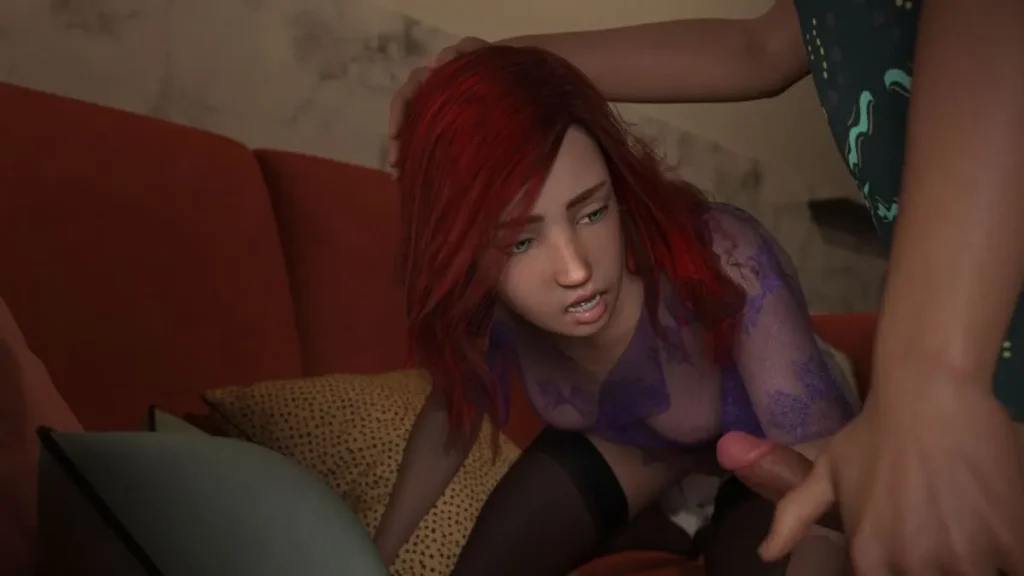
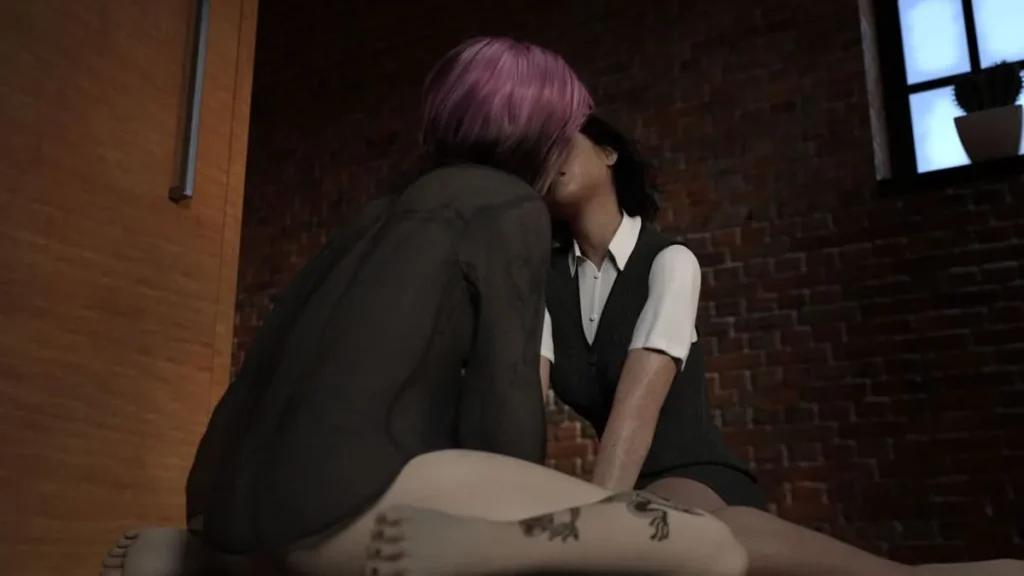

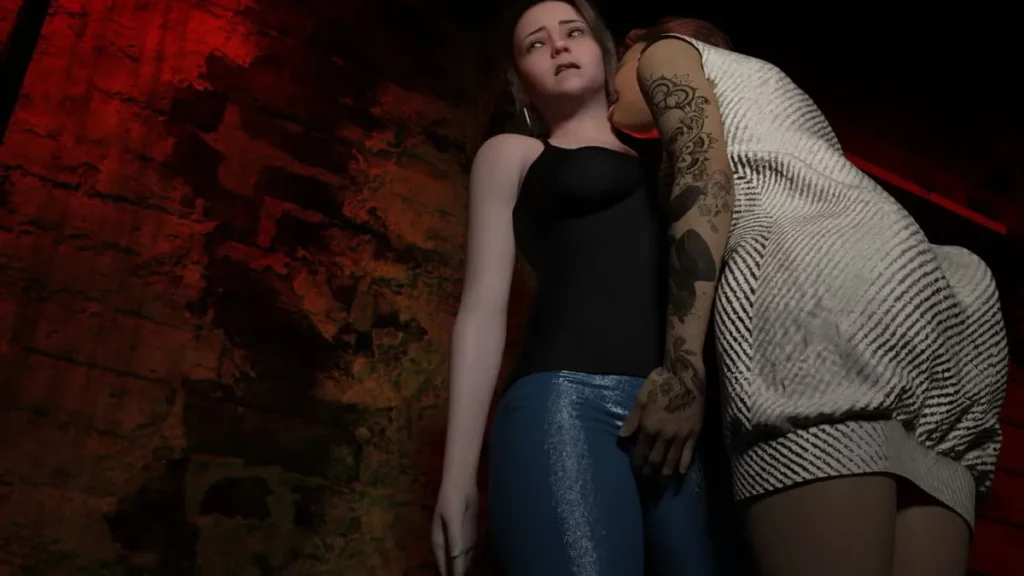

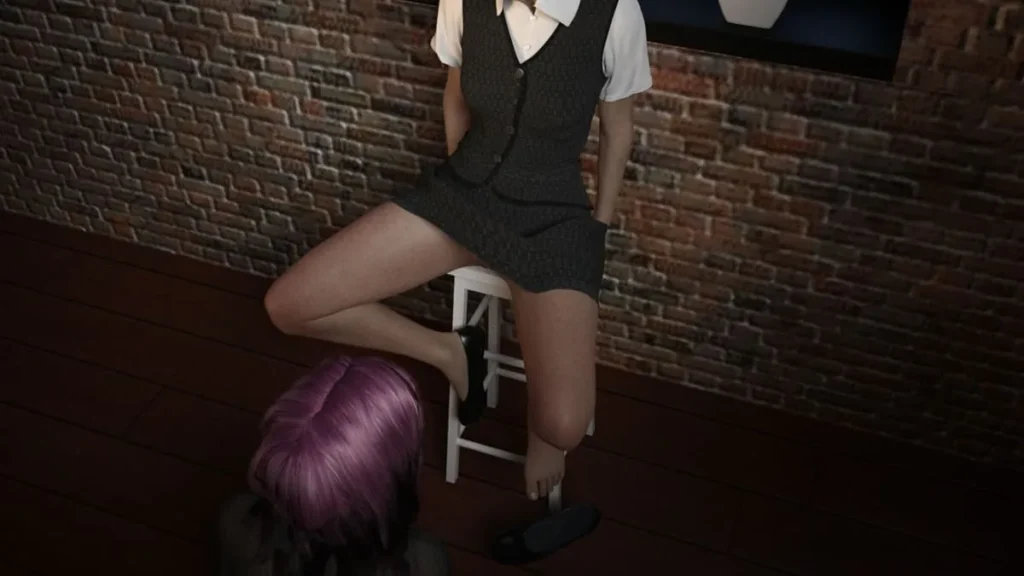
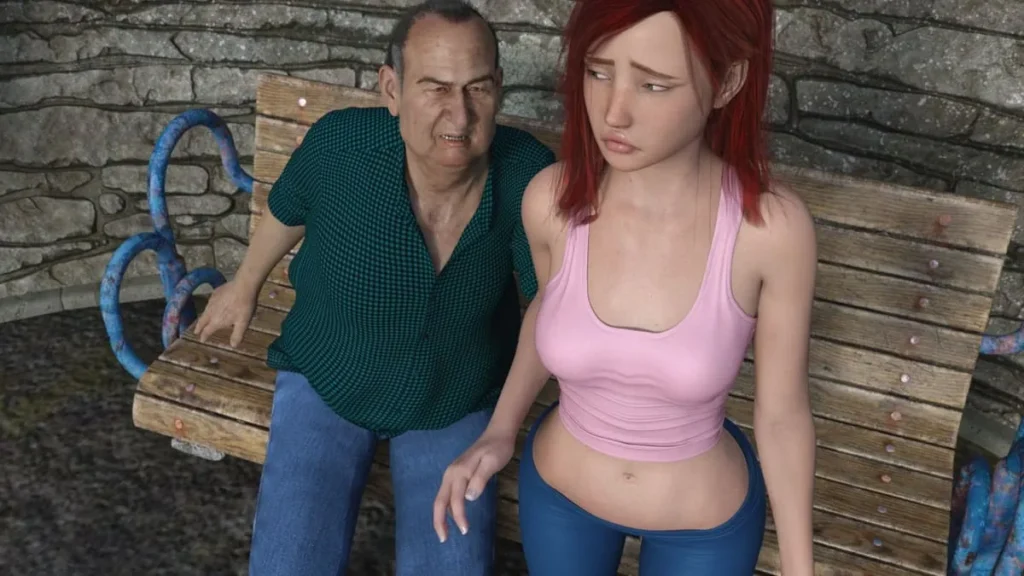
The Theater of Sinners review
Dive into the twisted tales of humiliation and choice in this gripping Ren’Py game
Imagine stepping into a shadowy theater where every choice unleashes a cascade of humiliation, corruption, and brutal revelations. That’s the intoxicating pull of The Theater of Sinners, the Ren’Py visual novel from JustXThings that’s captivating players with its psychological depth and morally gray world. I first stumbled upon this game during a late-night scroll through itch.io, drawn by whispers of its raw storytelling. What hooked me was how it thrusts you into the lives of Paula and Rebeca, two young women battling abuse and inner demons amid a cast of flawed characters. In this guide, we’ll explore the game’s narrative twists, key decisions, and immersive elements that make The Theater of Sinners a standout in adult visual novels. Whether you’re a horror enthusiast or crave choice-driven stories, stick around to uncover why this alpha release demands your attention.
What Makes The Theater of Sinners Uniquely Gripping?
I remember the first time I booted up The Theater of Sinners game. The screen faded in on a dimly lit, run-down apartment. The audio was just a faint, dissonant hum and the sound of rain against a window. Then, the text appeared, describing not a heroic moment, but a quiet, degrading one. It wasn’t gore or a jump scare that got me—it was the raw, uncomfortable intimacy of the character’s shame. I felt like a spectator to something I shouldn’t be seeing, and I was instantly hooked. That’s the power of this psychological horror visual novel; it doesn’t just show you darkness, it makes you complicit in it. 😰
So, what is The Theater of Sinners at its core? It’s a decision-based Ren’Py experience that weaves together the fractured stories of four protagonists. They’re not heroes on a quest. They’re individuals caught in cycles of abuse, humiliation, and brutality, trying to navigate a world that offers them very few good options. Your role isn’t to save them, but to guide them through their personal hells, where every Theater of Sinners choice you make can lead to corruption, resilience, or a devastating breaking point. The brilliance lies in how it makes you care, then forces you to act, often with terrible consequences.
Who Are Paula and Rebeca in The Theater of Sinners Storyline?
While the game features four main stories, the intertwined tales of Paula and Rebeca are often the first to leave a lasting mark. They are perfect examples of how The Theater of Sinners storyline explores corruption from opposite ends of the social spectrum.
Paula’s story is one of privilege poisoned from within. As the daughter of a powerful, influential figure, she has everything—except safety or genuine respect. She becomes the target of a group of teen delinquents who see her status as a challenge. Their bullying is psychological and sexual, a slow, calculated process of breaking her down into deviance. Your choices for Paula often revolve around resistance vs. submission. Do you have her fight back and risk escalating the cruelty, or do you try to navigate the humiliation, sometimes internalizing it in a twisted bid for survival? Her path is a chilling study of how power can be inverted and how the “perfect” life can hide a deeply rotten core. 👑
Rebeca’s narrative is a brutal lesson in cycles of pain. Raised by an addict mother and a violently abusive step-father, her entire world is defined by trauma. The central, heartbreaking question of her arc is: does the abused become the abuser? Rebeca hates what she comes from, but those experiences shape her worldview and tools for survival. Your Theater of Sinners choices with Rebeca are agonizing. They might involve deciding between a moment of shocking cruelty or a fragile act of mercy, often reflecting the very abuse she endured. Her story doesn’t ask for your pity; it demands you understand how a person can become what they most despise, and whether there’s any path back from that brink.
To visualize their contrasting yet thematically linked journeys, here’s a breakdown:
| Name | Background | Key Struggles | Choice Impacts |
|---|---|---|---|
| Paula | Daughter of a powerful figure; surface-level privilege. | Psychological & sexual bullying by peers; loss of autonomy & identity. | Choices influence her defiance or corruption, leading to either breaking her tormentors’ control or being reshaped by it. |
| Rebeca | Raised in poverty with an addict mother and abusive step-father. | Cycles of abuse, survival guilt, and the risk of perpetuating the violence she knows. | Decisions sway her between empathy and brutality, determining if she repeats her trauma or finds a painfully difficult new path. |
These two, along with the other protagonists, don’t exist in a vacuum. The RenPy Theater of Sinners mechanics allow you to influence side characters through stat changes and branching dialogues, meaning your approach with Paula can subtly alter the world Rebeca inhabits, and vice-versa. It’s a tangled web where everyone is both a sinner and sinned against. 🔗
How Do Choices Shape the Harsh Paths in The Theater of Sinners Game?
This is where The Theater of Sinners game truly separates itself from more conventional visual novels. Your decisions aren’t just about picking “good” or “evil” dialogue options. They are subtle, stat-based, and have delayed, often unpredictable repercussions. The game uses a brilliant non-linear structure: you can play through early events for each character in any order. However, the stats you build—traits like Willpower, Submission, Ruthlessness, or Empathy—carry over and silently influence scenes in other storylines.
Let me give you a personal example that haunts me. Early in one playthrough, I made a series of what I thought were pragmatic, “stand-your-ground” choices for a character. I raised a Ruthlessness stat, thinking it would make them stronger. Later, in a completely different character’s story, during a tense confrontation, a new dialogue option appeared. It was brutally cold, an option that wouldn’t have been there without that hidden stat. I chose it, curious. The scene that unfolded wasn’t just harsh; it was a visceral, shocking moment of cruelty that I directly enabled. The game didn’t flash a warning. It simply remembered who I had shaped that first character to be, and it echoed that corruption elsewhere. That’s the terrifying genius of Theater of Sinners choices—they create cause and effect chains that feel frighteningly real. 😨
The RenPy Theater of Sinners mechanics empower this through:
* Branching Narratives: A single decision can lock or unlock entire future scenes, leading to drastically different endings, from bittersweet resilience to utter ruin.
* Stat-Driven Scenes: Hidden character stats determine available actions and dialogue, meaning two players can experience the same story event in wildly different ways.
* Interconnected Consequences: As my anecdote shows, your influence on one life can ripple into another, making the game world feel cohesive and your role as a guide profoundly responsible.
Pro Tip: There is no “right” way to play. Embrace the discomfort. The most narratively compelling paths in The Theater of Sinners are often the most morally complex, where characters gain strength at a terrible price or show mercy at great personal risk.
Why Does the Psychological Horror Hit So Hard?
The horror in The Theater of Sinners isn’t about monsters under the bed. It’s about the monsters people become, and the situations that create them. This is a masterclass in psychological horror visual novel storytelling, and it works because of several key elements:
Atmospheric Dread Over Gore: The game builds tension through its writing and sound design. The oppressive silence of an empty house, the tense music before a confrontation, the way a description lingers on a character’s fearful expression—it all creates a sense of impending doom that is far more effective than any graphic image. You’re terrified of what might happen, and what you might have to choose. 🌑
Moral Ambiguity is the Playground: You’re rarely choosing between a clear hero and villain path. You’re choosing between survival and dignity, between protecting one person and sacrificing another, between fighting back and enduring. This forces you to engage with the The Theater of Sinners storyline on a deeper level, arguing with yourself about the “least bad” option.
Kinks as Narrative, Not Gratification: Themes of humiliation, power exchange, and corruption are woven directly into the character arcs and plot. They aren’t gratuitous add-ons; they are the very mechanisms of the characters’ trauma and transformation. This integration makes these elements feel unsettlingly natural to the story’s world, heightening the horror and emotional impact.
The Inescapable Cycle of Pain: The game brilliantly illustrates how trauma begets trauma. Seeing Rebeca make a choice that mirrors her step-father’s abuse, or Paula adopt the manipulative tactics of her bullies, is a uniquely devastating form of horror. It makes you wonder if escape is even possible, or if the theater’s stage is forever.
Your Guilt as the Player: The ultimate horror weapon is your own agency. When a scene turns brutal, you can’t blame a scripted sequence—you have to live with the choice you made. That guilt and responsibility linger long after you close the game.
To get the most out of this dense, emotional experience, here’s my biggest piece of actionable advice: Play the dialogue slowly. Read every line. Sit with the pauses. The most important implications in The Theater of Sinners game are often hidden in subtext, in what a character doesn’t say, or in the slight shift in their tone before they make a devastating request. Rushing through will cause you to miss the subtle cues that make the psychological horror visual novel elements so potent. Let the dread build. Let the weight of each choice press on you. That’s how the game truly gets under your skin. 🎭
Your Theater of Sinners Questions, Answered
How long does it take to complete the early events?
A full, attentive playthrough of the available early events for all protagonists can take 6-10 hours, depending on how thoroughly you explore different dialogue choices and branches. This isn’t a game to rush!
Does the order I play the events in matter?
Yes and no. You can play character stories in any sequence, and each has a self-contained narrative. However, as explained, the RenPy Theater of Sinners mechanics mean that stat changes from one story can subtly influence available options in another, making each player’s overall journey unique.
Is there a “good” ending I should aim for?
Throw out the concept of a traditional “good ending.” The game focuses on outcomes that are authentic to the choices you’ve made. An ending where a character survives with their spirit intact is a victory. One where they become powerful but monstrous is a different, equally valid conclusion to their The Theater of Sinners storyline. There are milder and harsher conclusions, but none are purely “good.”
How graphic is the content?
The horror is primarily psychological and textual. While scenes deal with mature and intense themes of humiliation, power dynamics, and violence, it is not a graphically explicit game. The terror is crafted through masterful writing, implication, and your imagination, which often makes it more powerful.
The Theater of Sinners masterfully weaves humiliation, tough choices, and raw psychological depth into a visual novel that lingers long after you close it. From Paula’s descent amid bullies to Rebeca’s fight against her upbringing, every decision crafts a unique tale of corruption and fleeting redemption. My own dives into its branches left me rethinking morality in games—it’s that immersive. If you’re ready for a story where your hands shape the shadows, download this free Ren’Py gem from JustXThings on itch.io today. Play it, get lost in the dread, and share your wildest branch outcomes in the comments. Your next twisted adventure awaits.